


How to Choose the Right Width and Length for Straps on Vintage Watches?
Selecting the perfect strap for a vintage timepiece requires precision, taste, and a keen eye for proportion. Whether you wish to enhance a classic dress watch or breathe new life into a decades-old chronograph, the width and length of the strap can dramatically influence both comfort and style. Those seeking authenticity and an impeccable fit often choose to Buy Straps for Vintage Watches Online in India, as it offers access to a wider variety of materials, sizes, and designs suited for rare models. At Vintage Watcholic, the focus is on providing straps that honor the heritage of each watch while ensuring modern-day comfort.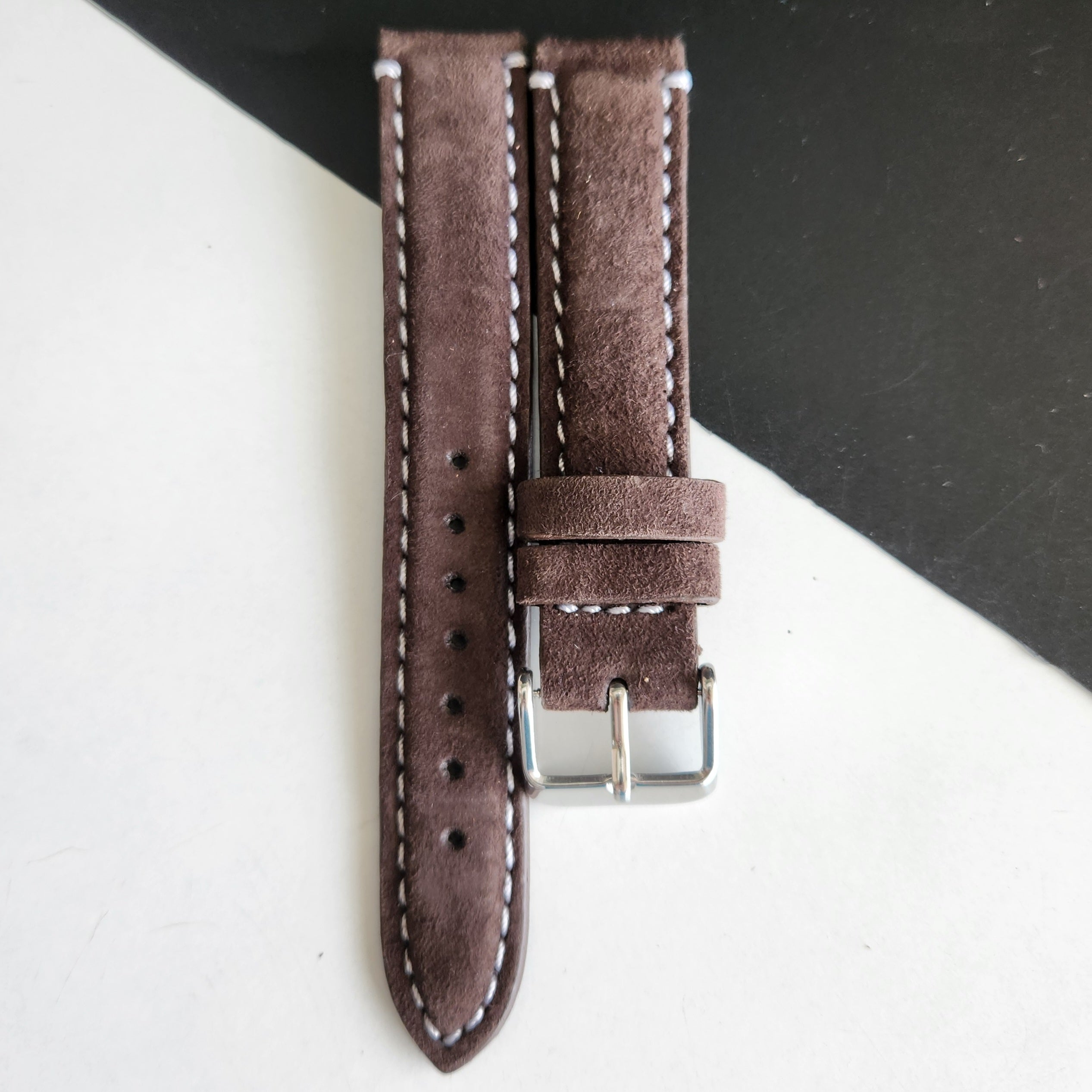
Why Width Matters for Vintage Watch Straps?
The width of a strap is not merely an aesthetic detail—it is essential for the structural integrity of the fit. If a strap is too narrow for the lug width, the watch will look disproportionate and may even wobble during wear. Conversely, a strap too wide will cause pressure on the lugs and may damage the case over time.
Vintage watches often feature non-standard lug widths. For example:
-
Many mid-century dress watches may have lug widths of 16mm or 17mm.
-
Vintage divers from the 60s often feature 19mm or 21mm lugs, which are less common today.
The strap’s width should match the exact lug measurement in millimeters. Measuring is simple: use a caliper or millimeter ruler to check the distance between the inner sides of the lugs. Accuracy is essential—rounding off can lead to a poor fit.
How Length Influences Comfort and Wear?
The length of a strap directly affects comfort and wearability. A strap too long will leave excessive tail that needs tucking, while a short strap will feel tight and restrict wrist movement. Vintage watch owners often have to consider that older designs were made for slimmer wrists, which can influence how straps are proportioned.
Standard strap lengths typically follow this format:
-
Regular: Around 120mm/75mm (long/short piece) – fits most wrists from 6.5" to 7.75".
-
Short: Around 110mm/70mm – for wrists under 6.5".
-
Long: Around 130mm/80mm – for wrists above 7.75".
It is important to match the strap length to your wrist size while allowing a small margin for seasonal wrist swelling or shrinkage.
Balancing Proportions: Width vs. Watch Case Size
A well-chosen strap width should harmonize with the watch case diameter. This balance enhances both aesthetics and comfort.
General proportion rule:
-
Small cases (30–34mm) often look best with straps between 16mm–18mm.
-
Medium cases (35–38mm) suit straps from 18mm–20mm.
-
Larger cases (39–42mm+) require 20mm–22mm straps for proper visual balance.
Some vintage watches intentionally break these rules for style—like certain military field watches with oversized straps for ruggedness. However, the strap should never overpower the watch dial.
Material and Flexibility Considerations
While the primary focus is on width and length, the choice of strap material affects how those dimensions feel in wear.
-
Leather: A 20mm leather strap feels different than a 20mm steel bracelet due to thickness and pliability.
-
NATO/Nylon: Often slightly longer to allow for the pass-through design.
-
Rubber: Flexible yet thicker, potentially requiring slight length adjustment.
When measuring length for stiffer materials like thick leather or shell cordovan, adding 5mm to 10mm to the long piece can ensure better comfort.
Common Mistakes in Strap Sizing
-
Guessing the width without measuring the lugs precisely.
-
Ignoring the watch’s original proportions leads to mismatched aesthetics.
-
Choosing length without wrist measurement causes a poor fit.
-
Not accounting for material stretch or shrinkage over time.
-
Forgetting buckle size—especially if using an original vintage clasp.
Step-by-Step Process to Choose the Right Width and Length
-
Measure the lug width with a caliper or an accurate ruler.
-
Check the case diameter to ensure proportional harmony.
-
Measure wrist circumference where the watch sits.
-
Decide material type, factoring in thickness and flexibility.
-
Match strap length to wrist size with comfort allowance.
-
Confirm buckle compatibility if reusing original hardware.
The Role of Buckle Size and Shape
Vintage watches often feature unique buckles—signed by the manufacturer or shaped to match the design era. A mismatched buckle width can distort the strap’s end, affecting fit and visual appeal. Generally, buckles are 2mm smaller than the strap’s lug width. For example, a 20mm strap may taper to 18mm at the buckle end.
When replacing straps, ensure the taper remains faithful to the original design to preserve the vintage aesthetic.
Why Vintage Watch Straps Often Differ from Modern Standards?
Many mid-20th-century watchmakers had their sizing preferences, often producing watches with lug widths now considered uncommon. This uniqueness is part of the charm of owning a vintage piece, but it also means standard straps from modern watch shops may not fit correctly.
Some examples:
-
Omega Seamaster 1950s – often 18mm lugs with 34mm cases.
-
Rolex Oyster Precision – 19mm lugs on a 34mm case.
-
Universal Genève Polerouter – unusual tapering straps with custom buckles.
These non-standard sizes make sourcing correct straps a specialized task—perfectly suited to dedicated vintage strap suppliers.
Matching Strap Style to Watch Era
Beyond dimensions, style authenticity matters. A 1960s racing chronograph looks perfect on a perforated rally strap, while a 1940s military watch suits a canvas or leather two-piece strap. Even the stitching and edge finish can influence period accuracy.
For instance:
-
1930s–1940s: Thin leather, stitched edges, modest taper.
-
1950s–1960s: Padded leather, crocodile patterns, or metal mesh.
-
1970s: Brightly colored leather, integrated rubber, or chunky bracelets.
When replacing straps, choosing period-correct styles enhances the watch’s heritage value.
Why Fit Precision Matters for Vintage Watch Preservation?
A poorly fitted strap can damage vintage watches over time. Too-tight straps stress lugs and spring bars, while overly loose straps cause the case to rub against the spring bar, wearing away metal. Maintaining original condition is vital for collectors, making correct strap dimensions a preservation step, not just a cosmetic one.
List of Quick Reference Measurements for Strap Selection
Wrist Size vs. Strap Length:
-
Under 6.5" → Short (110/70mm)
-
6.5"–7.75" → Regular (120/75mm)
-
Above 7.75" → Long (130/80mm)
Watch Case Size vs. Strap Width:
-
30–34mm case → 16–18mm width
-
35–38mm case → 18–20mm width
-
39–42mm case → 20–22mm width
Seasonal Adjustments and Climate Considerations
In humid conditions, leather straps can stretch slightly, while in dry environments, they may contract. Owners in variable climates should consider straps with micro-adjustment clasps or multiple sizing holes to maintain comfort year-round. NATO straps also allow for quick adjustments.
Why Choose Vintage Watcholic?
Vintage Watcholic specializes in straps tailored for rare and collectible watches, ensuring perfect width and length for a precise fit. Our selection honors historical authenticity, using premium materials and meticulous craftsmanship to match the heritage of each timepiece. Every strap is measured to exact specifications, offering comfort, style, and protection for valuable vintage watches. Whether your timepiece has a standard or rare lug width, we provide solutions that enhance its character without compromising originality.