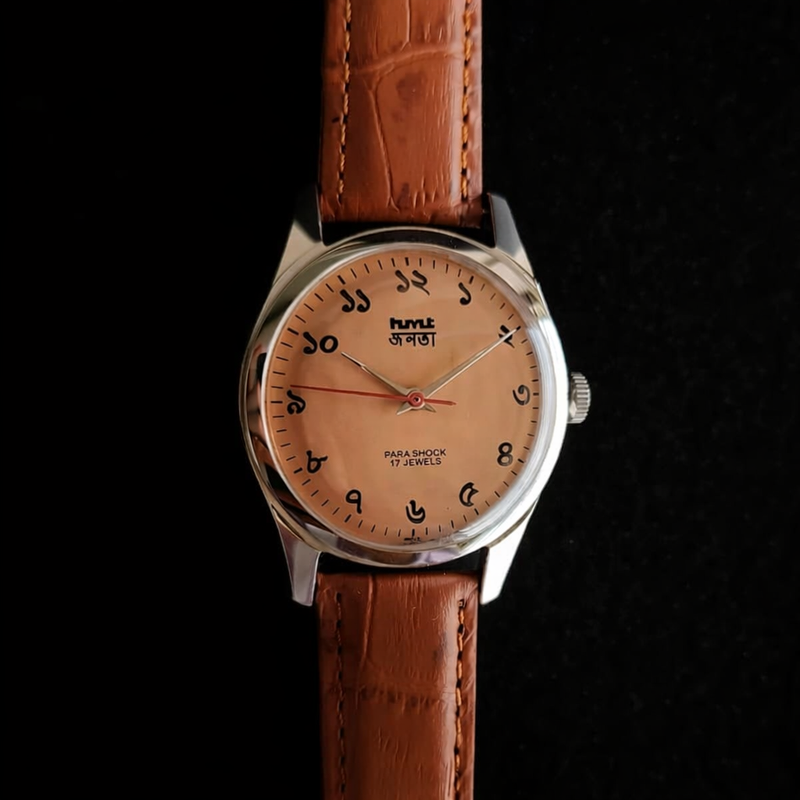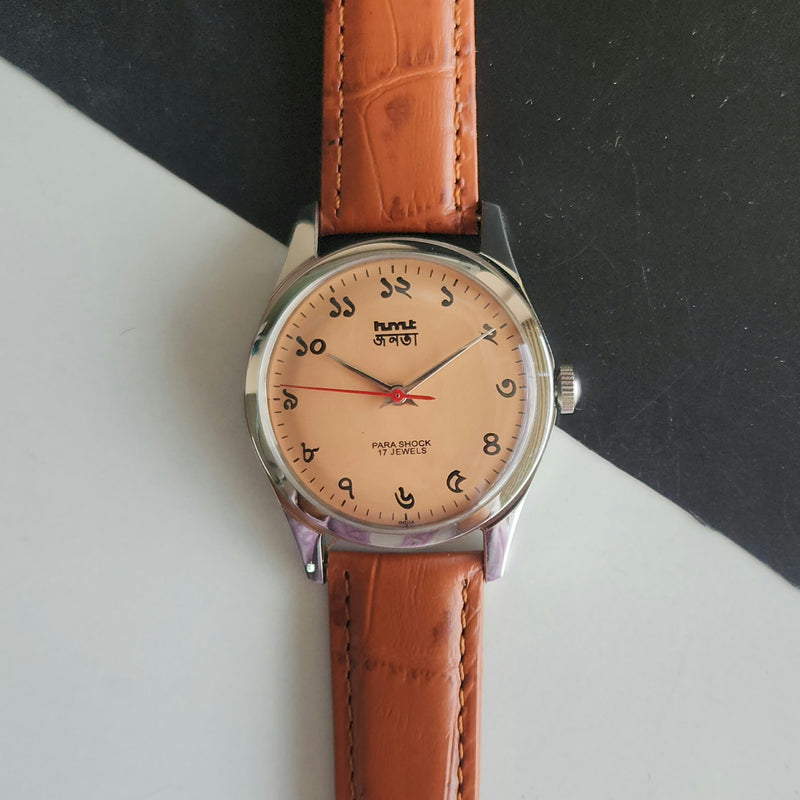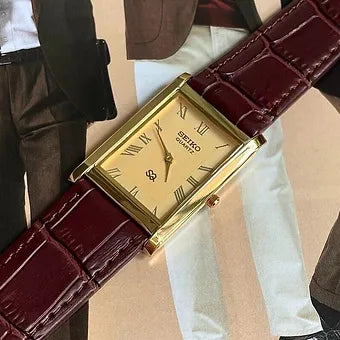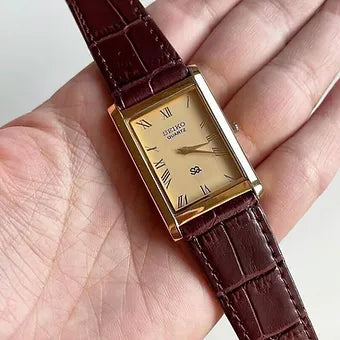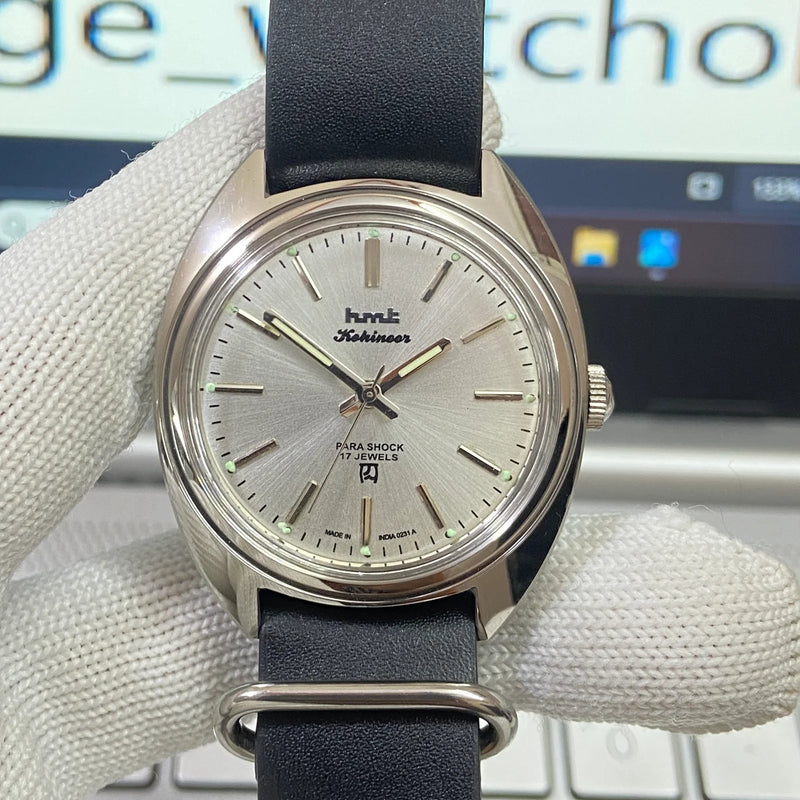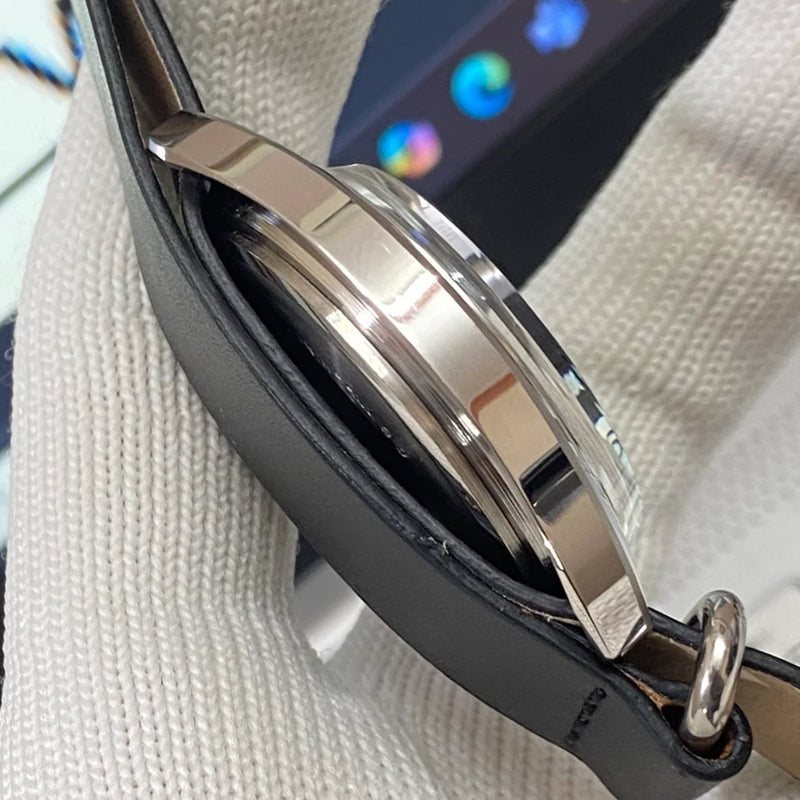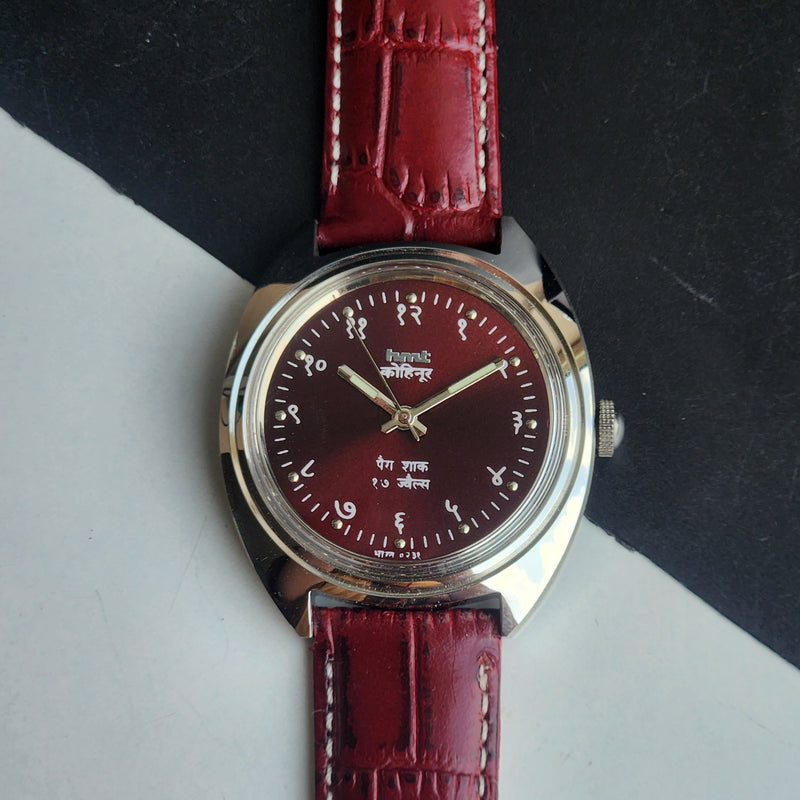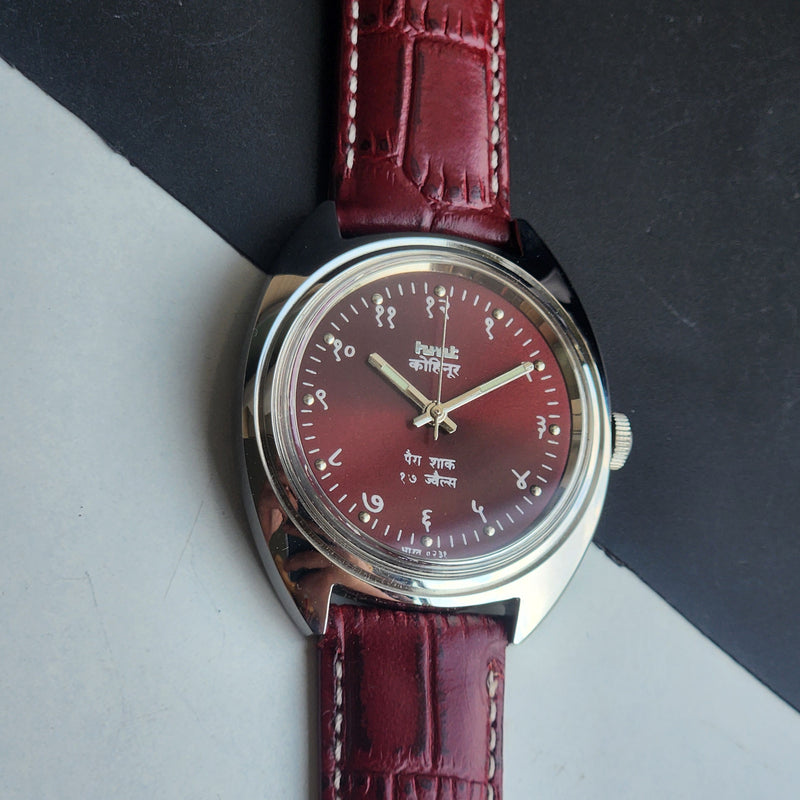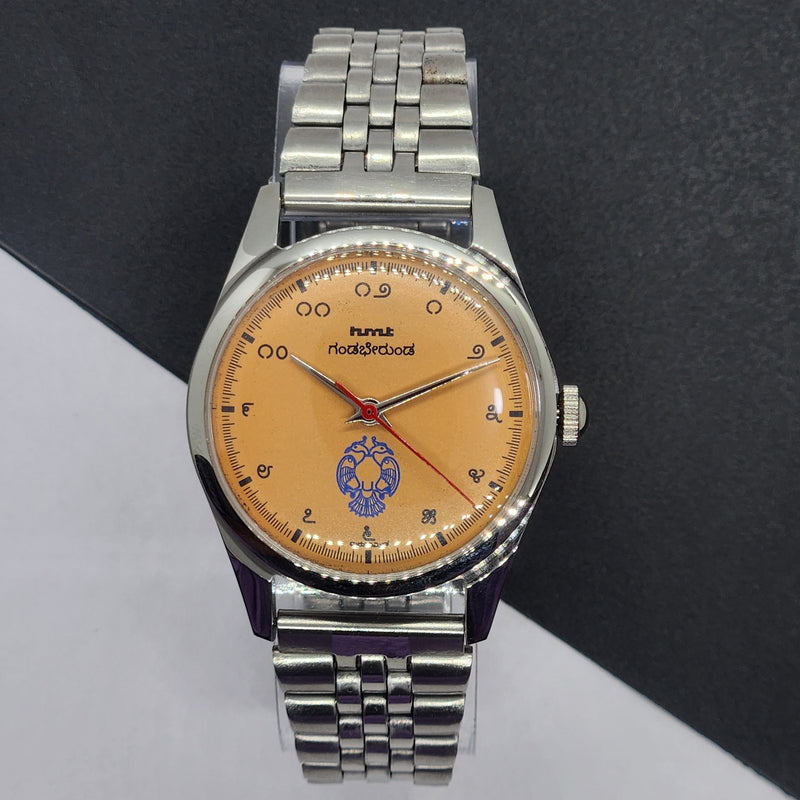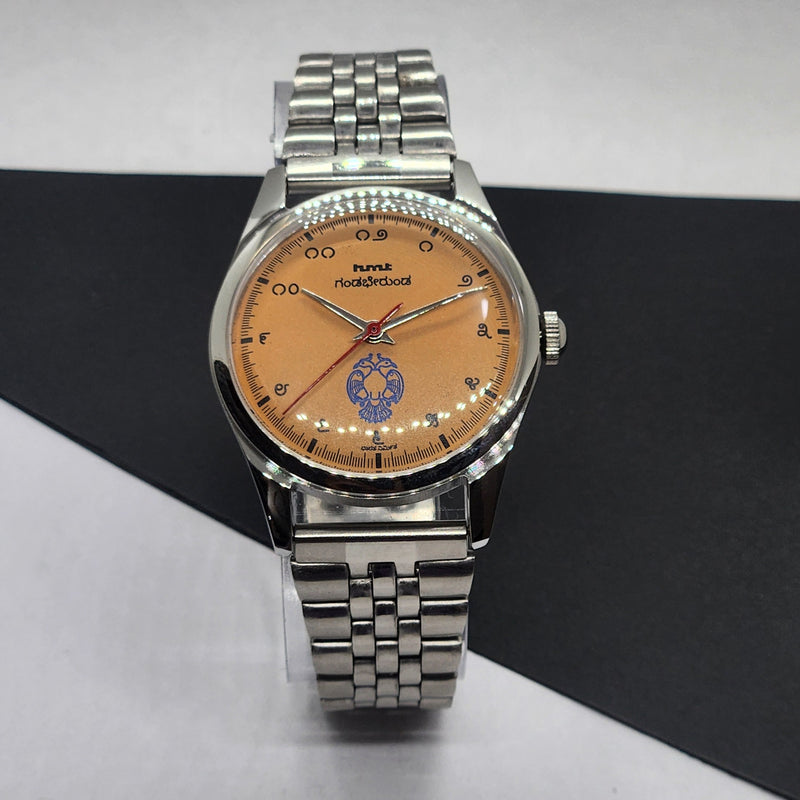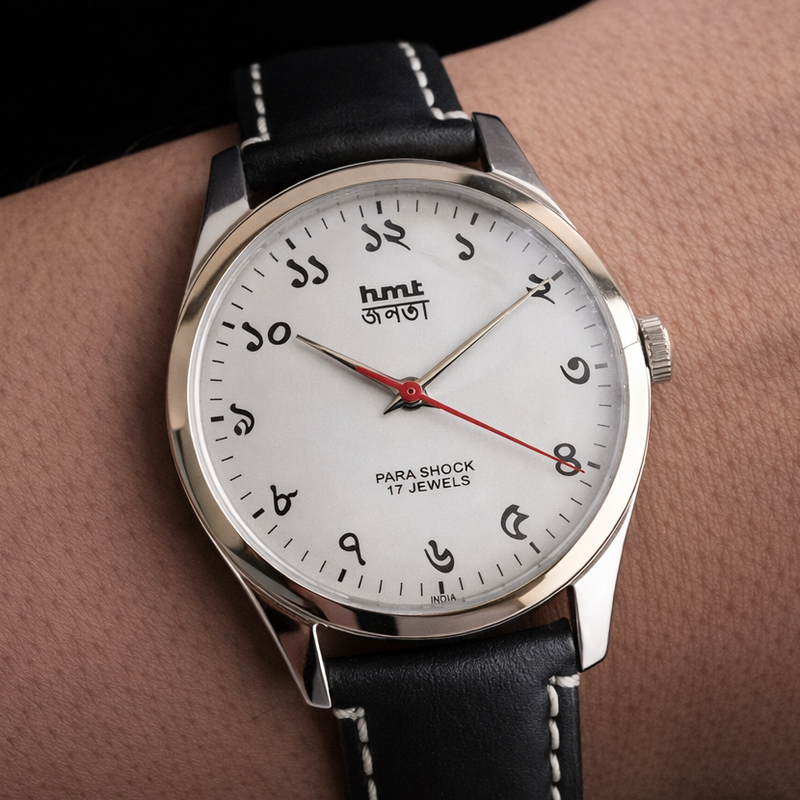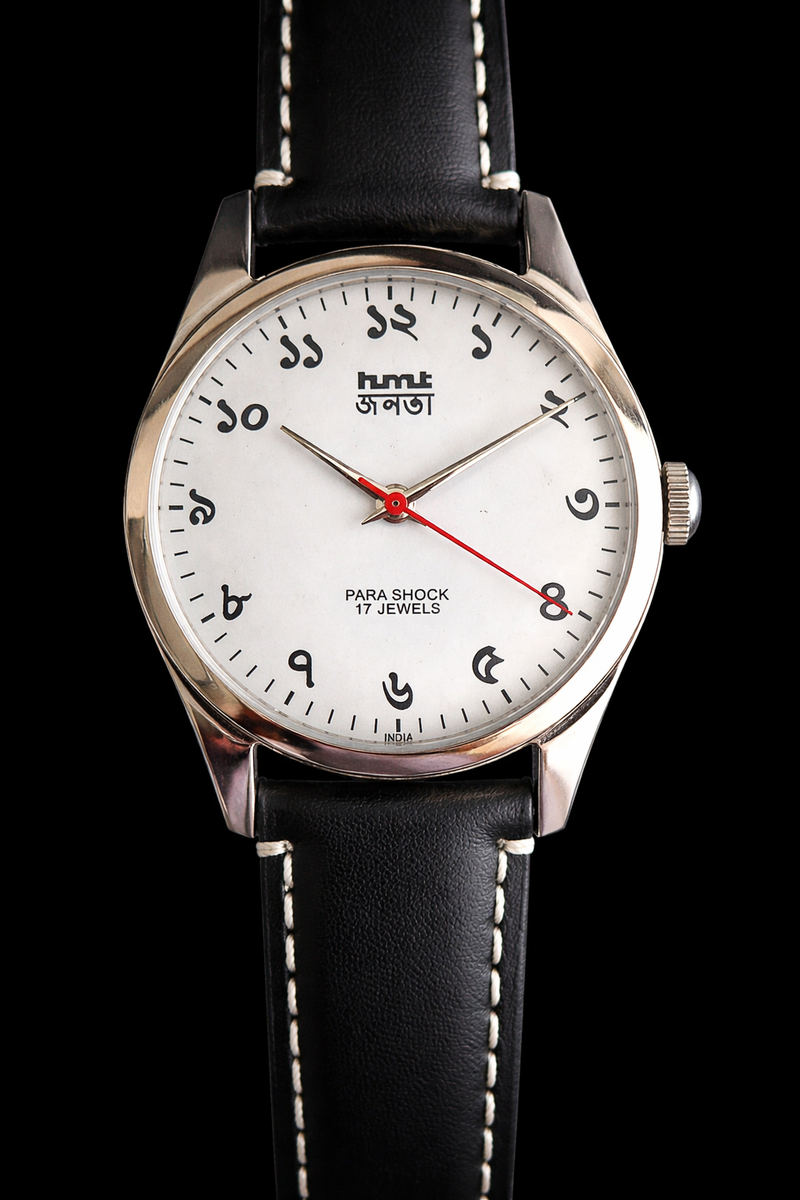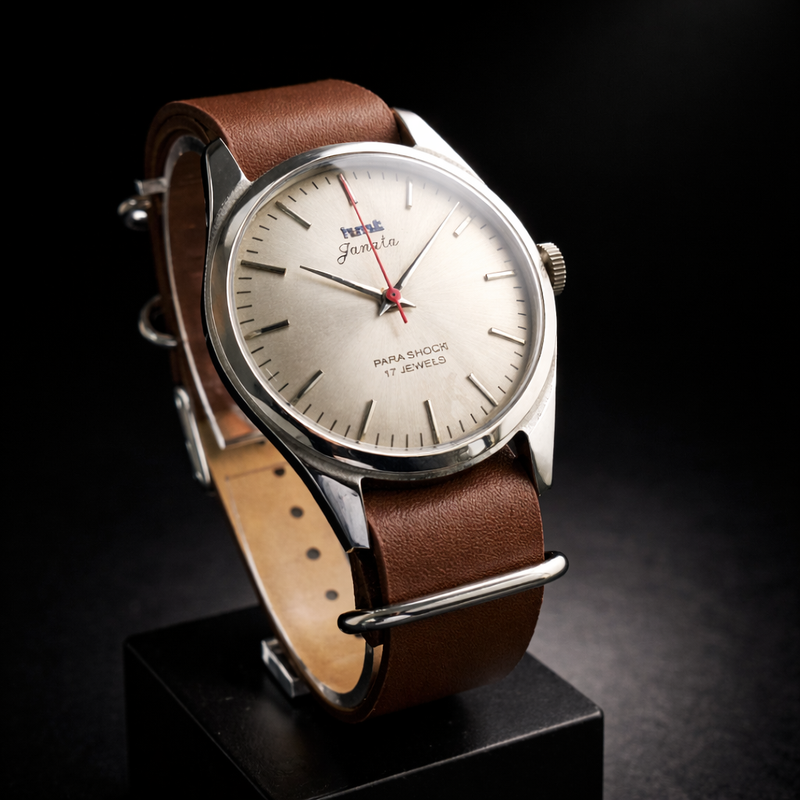
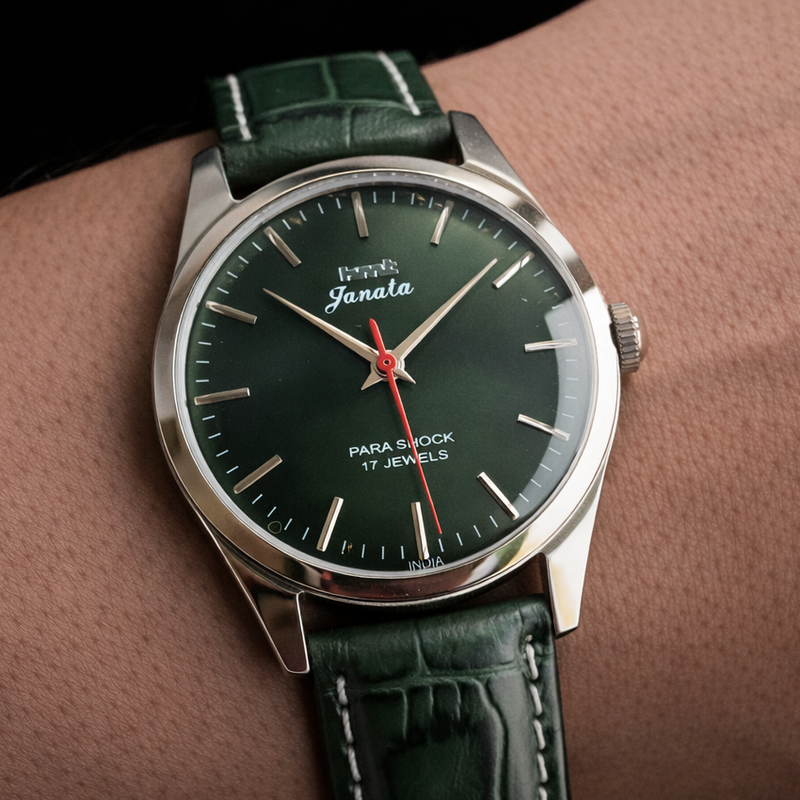
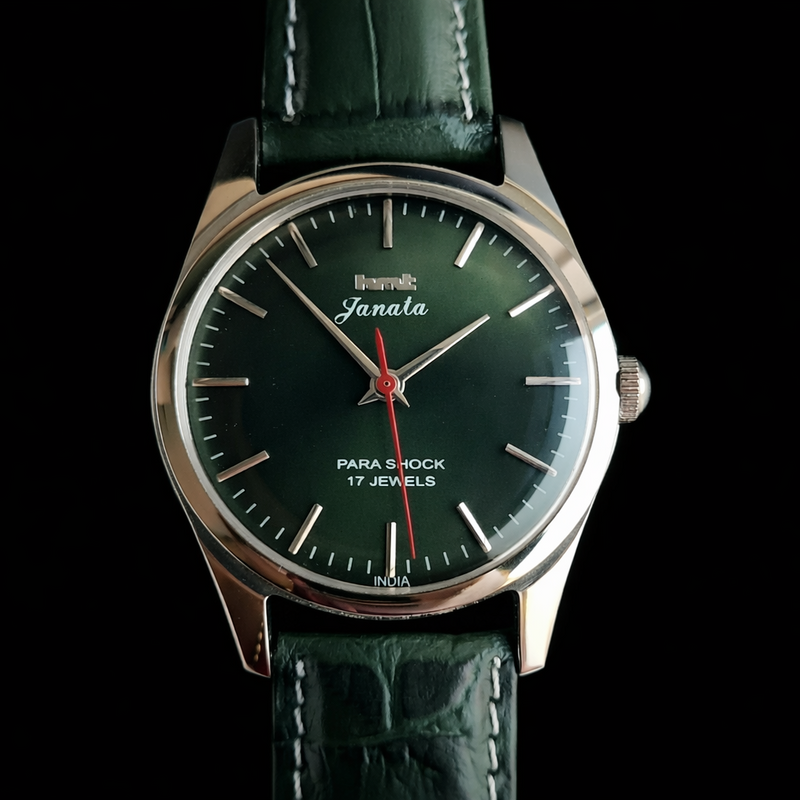
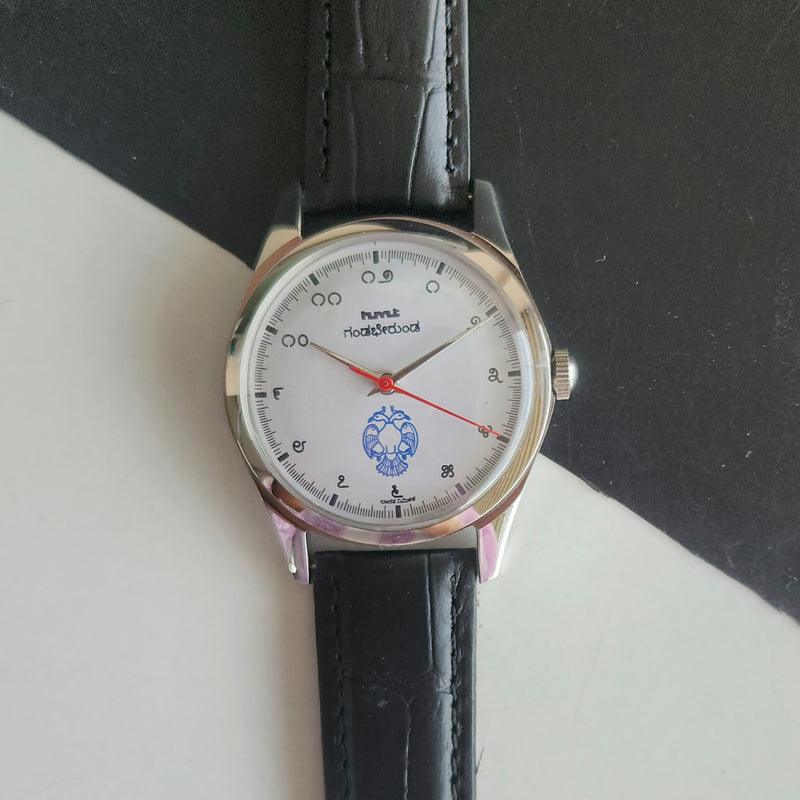
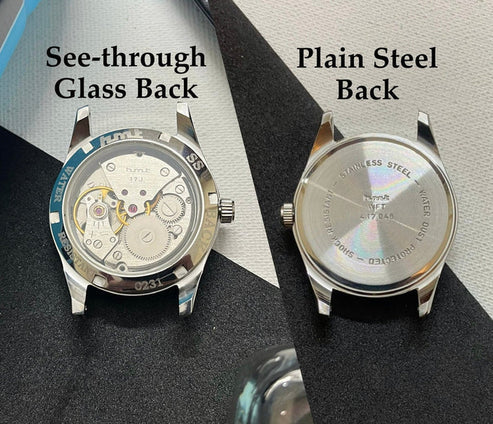
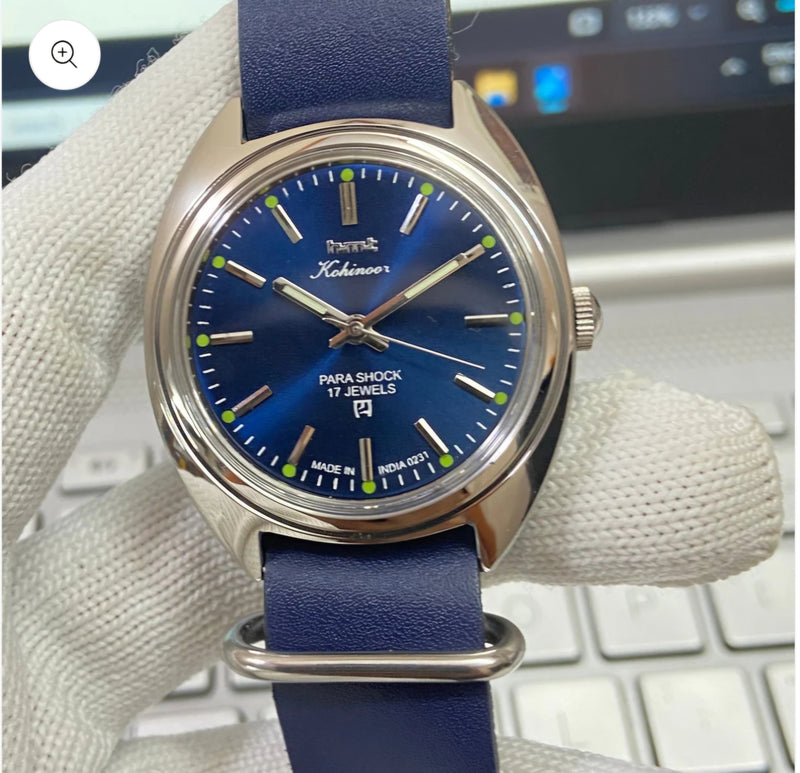
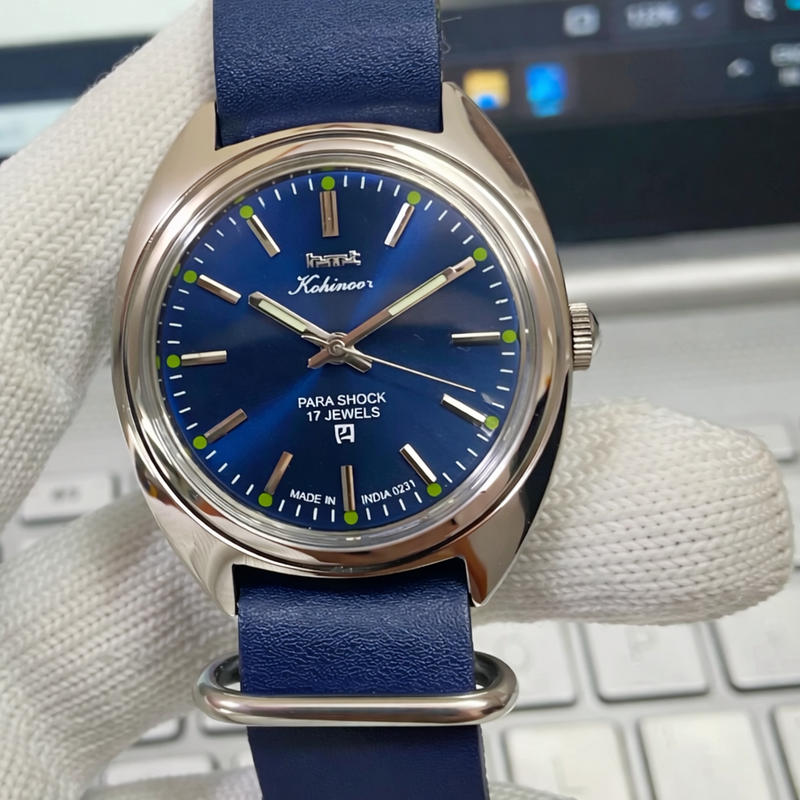
Vintage HMT watches connect Indian manufacturing history with the appeal of traditional mechanical timekeeping. Many survived decades of ordinary use, making them familiar objects with distinctive designs and personal associations. Collectors appreciate their hand-wound movements, understated proportions, and links to earlier generations. However, age alone does not make a watch rare or valuable. Original components, documented history, physical condition, and genuine buyer interest shape its place in a collection. These distinctions explain why two watches bearing the same model name can attract very different levels of attention.
How HMT Became Part of Indian Watchmaking History?
HMT expanded from machine tools into watchmaking as India invested in domestic precision manufacturing. Its watchmaking initiative began in 1961, and production developed through the following years with overseas technical collaboration. The work demanded expertise in assembling tiny moving components accurately and consistently, creating an industrial achievement beyond the finished wristwatch.
Why Its Heritage Matters to Collectors?
HMT brought mechanical wristwatches into the routines of office workers, teachers, civil servants and families. A watch might mark a first salary, retirement or wedding, giving an otherwise ordinary model considerable personal meaning. Inherited examples often retain that connection even when scratches and replacement straps reduce their commercial appeal.
The company later expanded its watchmaking facilities and introduced different movement types. Former watch manufacturing operations subsequently closed following government decisions in 2016. That history deserves a distinction: closure of those operations does not mean every HMT watch belongs to the past. HMT continues to offer watches, and newer releases may carry familiar names. Collectors must establish an individual watch's period rather than rely on its branding.
Historical importance and market rarity remain separate. A widely produced watch may represent a significant chapter of Indian industry without commanding an exceptional price. Its interest lies partly in what it reveals about accessible, domestically manufactured timekeeping.
Why Mechanical Movements Inspire Lasting Interest?
Many classic HMT models use mechanical movements, which measure time through stored spring energy rather than a battery. Their operation gives collectors a tangible connection with the engineering inside the case. Yet HMT also produced automatic and quartz watches, so buyers should verify the mechanism in each example.
Hand-Wound, Automatic and Quartz Differences
A hand-wound watch requires the wearer to turn its crown periodically. Winding tightens a mainspring, which releases energy through gears while an oscillating balance regulates the movement. An automatic watch uses a moving rotor to wind its spring as the wearer moves. A quartz watch instead uses electronic timekeeping powered by a battery in typical designs.
Neither mechanical category guarantees exceptional accuracy. Age, lubrication, adjustment, and wear all affect performance. For enthusiasts, the attraction often comes from maintaining a functioning miniature mechanism, watching the seconds hand move and handling an object that does not depend on electronic circuitry.
Why Movement Condition Changes Collector Appeal
A running watch does not necessarily run well. It may lose substantial time, stop unexpectedly, or have damaged internal parts. A competent repairer can inspect its movement and determine whether it needs cleaning, lubrication, or replacement components.
Collectors also consider whether a movement belongs with the model and case. An authentic HMT movement inside a mismatched assembly cannot, by itself, establish an original factory watch. Mechanical interest therefore complements rather than replaces authentication.
Which Designs and Models Attract Attention?
Older HMT watches frequently favour restrained styling: modest case dimensions, clear numerals, slender hands and straightforward dial arrangements. Such proportions appeal to people who prefer traditional watches over larger contemporary designs. Different finishes and production periods create further collecting possibilities.
Visual Details That Define a Vintage Example
Dial lettering, numeral shapes, minute tracks and hand styles help distinguish one configuration from another. Some watches show coloured dials, date windows or day displays; others rely on simple hour markers. Case shape, crystal profile and original bracelet details also contribute to the overall appearance.
Ageing can add character. Collectors call the natural change in a dial or hands over time patina. Even patina may appeal to buyers, whereas moisture damage, flaking paint and heavy corrosion can reduce both legibility and value. A polished case might look cleaner while losing the edges and original finish that help establish its period.
Recognisable Names and Their Different Appeals
Several names recur in conversations about older HMT collections:
-
Janata: Known for simple, legible hand-wound configurations that reflect practical everyday watchmaking.
-
Pilot: Associated with clear dial layouts and a purposeful appearance; particular variants require careful verification.
-
Kohinoor: Attractive to enthusiasts seeking understated cases and variations in dial presentation.
-
Sona: Often appreciated for dressier styling, particularly when its original finish survives.
-
Rajat: Notable among collectors interested in older automatic HMT watches and their different mechanical character.
These descriptions indicate broad collecting interests, not universal specifications. Production periods, dials, and component combinations can differ. A name printed on the face proves neither age nor authenticity, especially when later releases or modified watches use familiar names.
What Makes One Old Watch More Collectible Than Another?
Age creates historical context, but it cannot establish scarcity. Collectors weigh how many comparable watches appear, how many retain original components, and whether buyers actively seek that configuration. An unusual dial may attract attention, although rarity claims need stronger evidence than a seller's description.
Scarcity, Originality and Provenance
Original factory arrangements often matter more than cosmetic perfection. A common watch with its untouched dial may appeal more strongly than an uncommon example fitted with newly printed graphics. Conversely, a watch intended for casual wear may offer better practical value after sympathetic restoration.
Before treating an example as especially collectible, consider:
-
Whether trustworthy period examples support its dial and hand combination.
-
Whether the case, crown and movement appear consistent with that model.
-
Whether original documents, packaging or purchase records support its history.
-
Whether a repairer can confirm functional condition and disclose previous work.
-
Whether comparable pieces actually attract buyers rather than merely high asking prices.
Provenance means a credible record of ownership or origin. A dated invoice or family record may help establish a watch's story, although paperwork cannot resolve every mechanical inconsistency. Similarly, an uncommon appearance might result from later alteration rather than limited production.
How Can Collectors Judge Authenticity and Restoration?
Authenticity requires examination of the complete watch, not just its logo. Collectors compare the dial, case, hands, movement, and visible wear against reliable examples from the relevant period. Photographs help, but lighting, image quality, and concealed parts limit what anyone can conclude remotely.
Original, Serviced and Modified Watches
An original example retains the factory configuration as closely as possible. Routine maintenance may preserve that configuration when a repairer cleans and adjusts the movement without changing visible components. A service replacement, such as a worn mainspring or crystal, does not automatically make a watch counterfeit, although disclosure helps buyers assess originality.
A redial has a repainted or refinished face. New printing can make it attractive, but altered lettering or colour may remove evidence of its original appearance. A frankenwatch combines parts from different watches into an assembly that may never have left the factory in that form. Some sellers openly describe these pieces as customised watches. Problems arise when they present them as untouched vintage examples.
Warning Signs Worth Investigating
No single detail delivers a definitive verdict. However, several inconsistencies justify further questions:
-
Dial lettering looks unusually sharp, uneven, or inconsistent with known examples.
-
The hands or date display clash with documented configurations.
-
A movement photograph reveals obvious damage or an unexplained mismatch.
-
The case shows aggressive polishing while the dial looks improbably fresh.
-
A seller refuses clear photographs, service details or specific answers about replaced parts.
A replacement strap alone rarely presents the same concern as a fabricated dial. Similarly, restoration can make a previously neglected watch usable again, even if strict originality collectors prefer untouched surfaces. The key distinction is honest disclosure. Buyers should assess the piece as it exists, rather than pay an original-watch premium for uncertain components.
How Do Prices and Purchasing Decisions Differ?
Vintage HMT prices reflect overlapping factors rather than a fixed hierarchy of models. Condition, period correctness, movement health, dial demand, and documented history can all influence what someone offers. Sellers sometimes price unusual watches aggressively, but an advertised amount records an expectation, not a completed transaction.
Comparing Value Without Assuming Investment Returns
A completed sale involving a similar watch offers more useful market context than an unsold listing, provided both examples have comparable originality and condition. Personal collecting value may also exceed resale value when a watch carries family significance. Neither past demand nor discontinued production guarantees future appreciation.
A higher asking price cannot prove authenticity. Before paying a premium, examine why the seller believes the watch merits it and whether independent evidence supports the claim. Costly repairs may also absorb much of the apparent saving on a neglected example.
Checks Before Committing to a Purchase
People planning to buy HMT watches online in India should request current photographs of the actual item rather than rely on promotional pictures. A practical review should include the following:
-
Clear front, side and case-back images, plus a movement photograph where feasible, with clear, even lighting.
-
Confirmation of whether the watch winds, runs, sets correctly and keeps reasonably consistent time.
-
A specific account of dial refinishing, replacement hands and previous servicing.
-
Written information about returns, delivery condition and the seller's description of originality.
Ask for a short running video if photographs leave significant uncertainty. An inexpensive watch for occasional wear may justify accepting disclosed cosmetic changes. A collector paying more for period correctness should demand stronger evidence and remain prepared to decline an ambiguous listing.
What Care Do Vintage HMT Watches Need?
Mechanical watches reward careful use but require realistic expectations. Their age, seals, and unknown service histories can make moisture, shocks, and neglect particularly damaging. Even a watch that once resisted water may no longer offer reliable protection.
Preserving Function and Original Character
Wind a hand-wound watch gently and stop when resistance indicates that its spring has reached its normal limit. Avoid forcing the crown or adjusting a date mechanism when the movement's instructions advise against it. Keep the watch away from water, strong impacts, and extreme storage conditions unless a competent professional has confirmed its suitability.
Store watches dry and protected from scratches. If a watch stops, runs erratically, or shows moisture beneath its crystal, seek professional inspection rather than experiment with repairs. Keep removed original components and record work completed. Thoughtful maintenance protects usability while allowing future collectors to assess what changed.
Who Should Consider Collecting These Watches?
Vintage HMT watches suit enthusiasts of Indian industrial history, traditional design, and accessible mechanical engineering. They can also appeal to people preserving an inherited family possession. However, collectors seeking predictable accuracy, effortless maintenance, or assured resale gains may prefer a different collecting direction.
A sensible starting point involves choosing a design worth wearing, establishing its likely period, checking authenticity and budgeting for possible service work. A modest, honest example can provide more satisfaction than an expensive watch whose originality remains uncertain.
Conclusion
Vintage HMT watches attract collectors because they preserve Indian watchmaking heritage in functional, recognisable objects. Mechanical movements, restrained designs and familiar model names add appeal, while personal associations give individual examples meaning beyond price. Genuine collectibility depends on more than age: originality, condition, provenance and demand can separate an interesting watch from a sought-after one. Buyers who examine these factors carefully can build collections around lasting interest rather than assumptions about future financial returns.
FAQs
What makes an original vintage HMT watch collectible?
Its connection to Indian manufacturing history, period design, and traditional timekeeping can attract collectors. Original dials, appropriate hands, compatible movements, and credible ownership information strengthen that appeal. However, collectors differ in their priorities: some favour historical accuracy, while others value an inherited watch for its personal significance.
Are all old HMT watches rare?
No. HMT produced watches for ordinary use across many years, so age does not automatically signal scarcity. Particular configurations may appear less frequently, but sellers should support rarity claims with convincing comparisons. Condition and demand also matter; an unusual watch with extensive modifications may attract limited collector interest.
Which HMT watch models attract collectors?
Janata, Pilot, Kohinoor, Sona and Rajat frequently interest enthusiasts for different reasons, including readable dials, dress styling and mechanical variations. Nevertheless, a model name covers potentially different production periods and configurations. Collectors should examine the specific watch rather than assume that every example carries equal historical or monetary significance.
How can buyers identify an original vintage HMT watch?
Buyers should compare dial printing, hands, case design, and movement details with credible period examples. Request close photographs and ask about replaced components or previous refinishing. A knowledgeable repairer may identify mechanical inconsistencies. No single logo, engraving, serial marking, or photograph can conclusively establish an entire watch's factory originality.
Do restored HMT watches have collector value?
Yes. Careful mechanical servicing can preserve usefulness and sometimes improve a watch's appeal. However, refinished dials, substituted cases, or incompatible hands may reduce interest among originality-focused collectors. Transparent descriptions allow buyers to distinguish honest restoration from misleading presentation and choose according to their own collecting objectives.
What affects the price of a vintage HMT watch?
Originality, physical condition, movement performance, model variation, and demand can influence its price. Supporting documents and credible servicing records may strengthen a seller's case. Compare genuinely similar completed sales where available, rather than treating optimistic listings as market evidence. Future resale value remains uncertain, regardless of the amount paid.
Are vintage HMT mechanical watches suitable for regular use?
Some are, provided they run reliably and receive appropriate care. Their accuracy may differ from modern quartz watches, and ageing seals can leave them vulnerable to moisture. Before everyday wear, have an uncertain example inspected, avoid water exposure, and consider the availability of suitable replacement parts if repairs become necessary.
How can buyers distinguish vintage models from newer releases?
Start with evidence of the watch's manufacturing period rather than its familiar model name. Compare dial and case features with documented examples, inspect movement details, and request dated purchase records where possible. Newer releases may reuse established names, so branding alone cannot settle whether a particular example qualifies as vintage.
Can owners repair vintage HMT watches without affecting collectibility?
Yes, careful maintenance can support continued use without substantially compromising collector appeal. Ask the repairer to preserve original visible components wherever practical and explain any necessary substitutions. Retain replaced parts and written service details. Extensive cosmetic refinishing may affect historical character more than discreet mechanical work, depending on buyer priorities.
Are vintage HMT watches worthwhile for first-time collectors?
They can offer an approachable introduction to Indian watchmaking history and mechanical timekeeping. First-time buyers should favour transparent sellers, clear photographs, and functioning watches over dramatic scarcity claims. Allow for possible servicing costs and select a design they genuinely enjoy, even if its potential resale price stays modest.