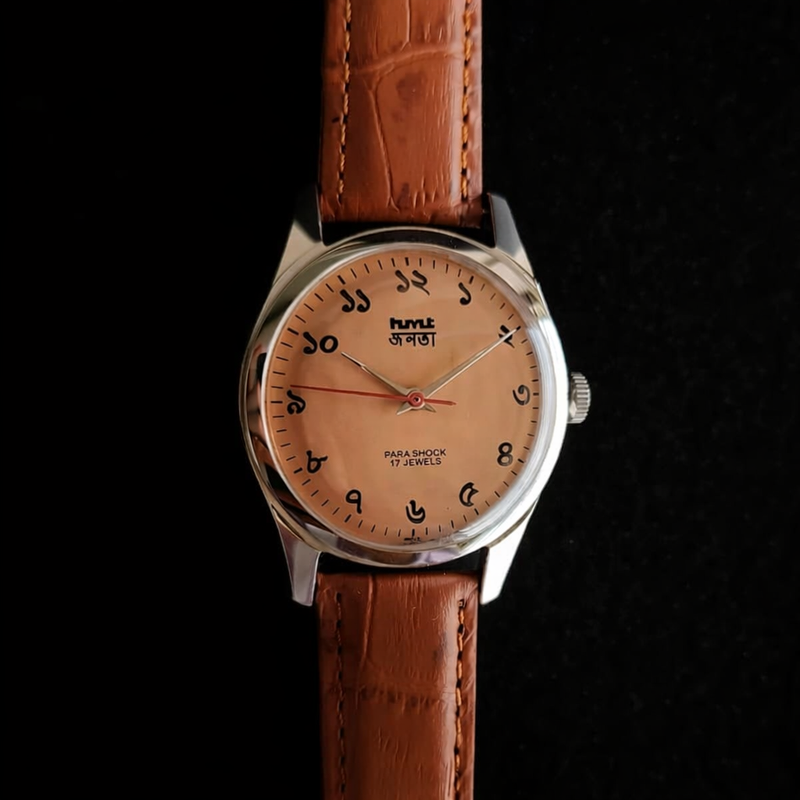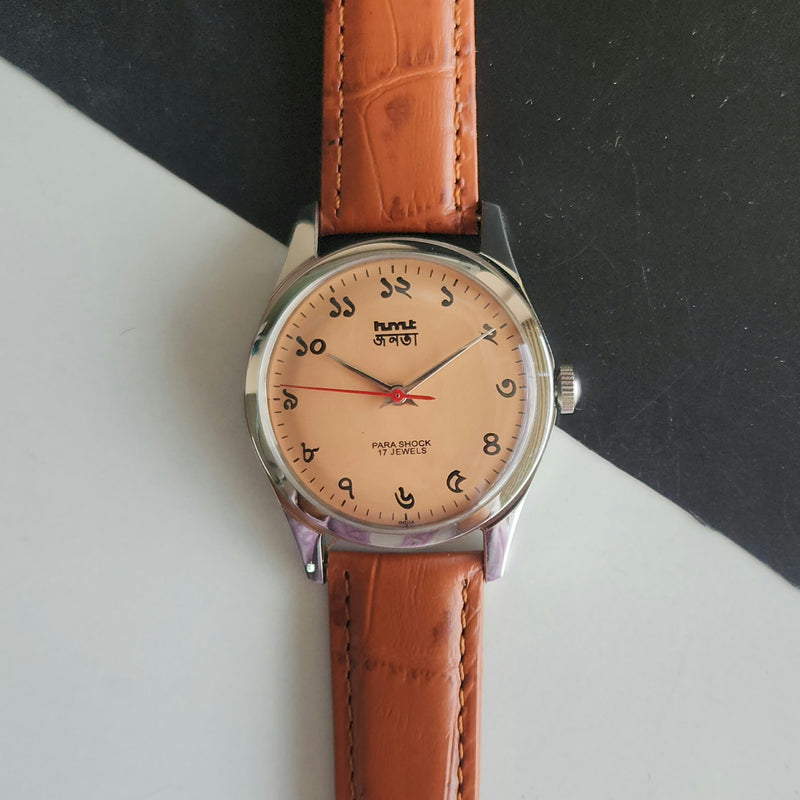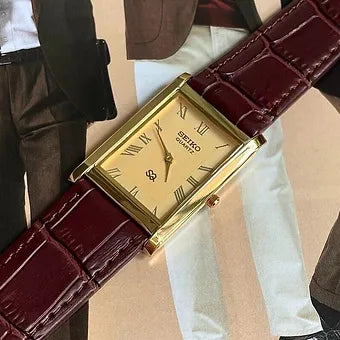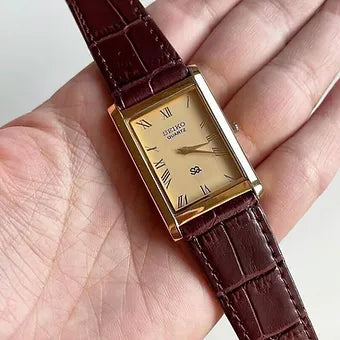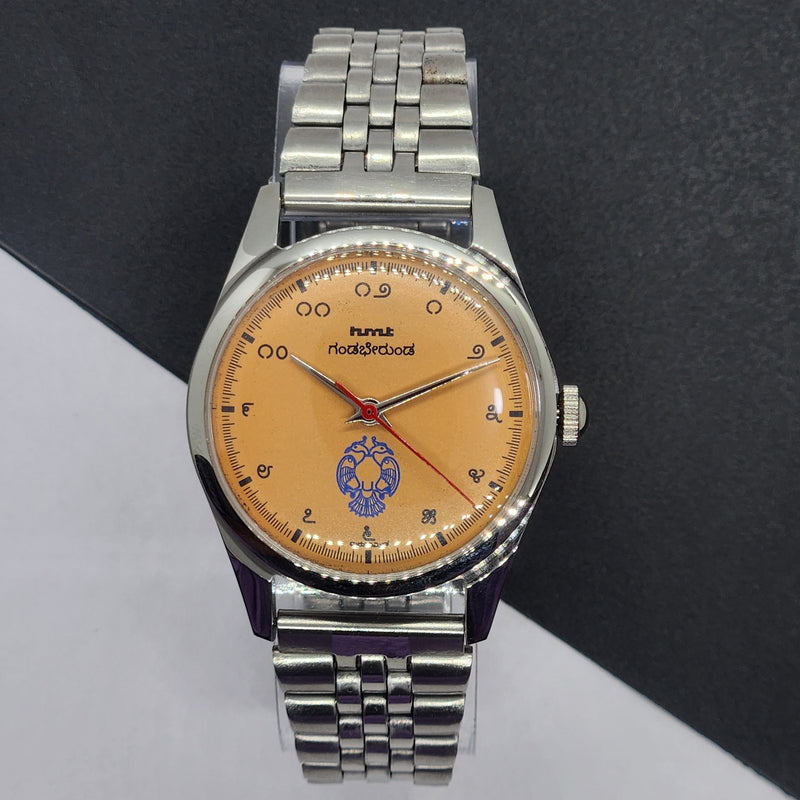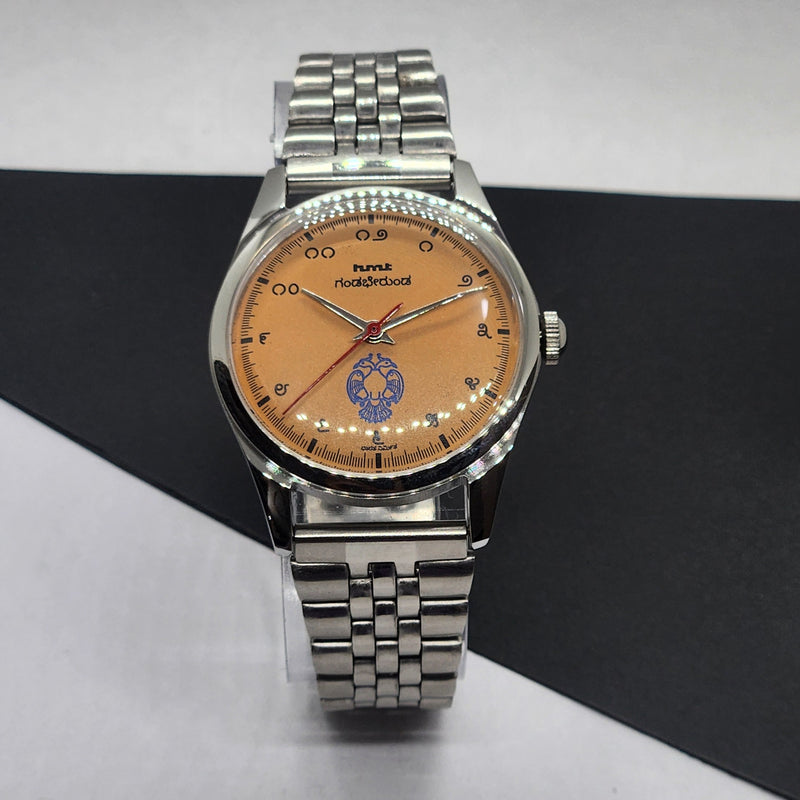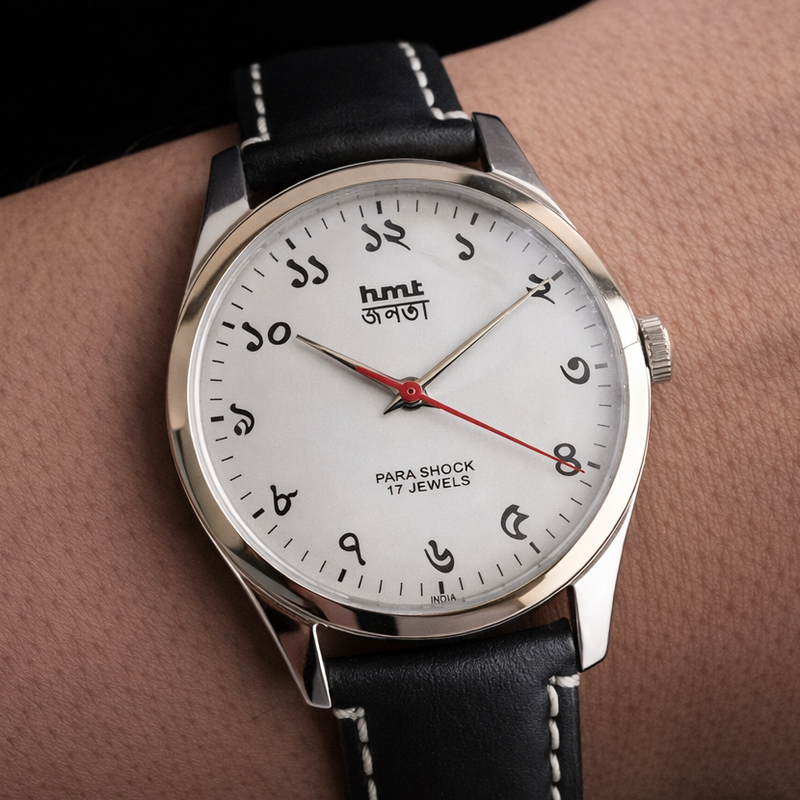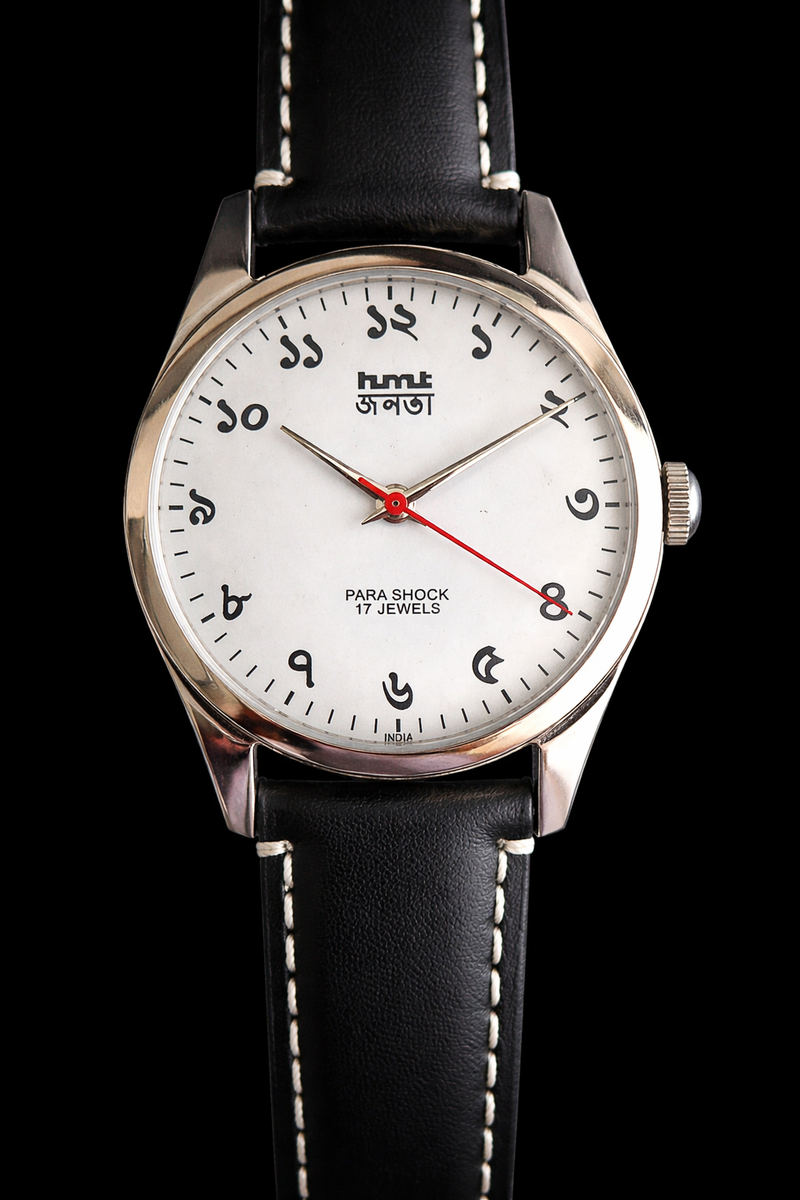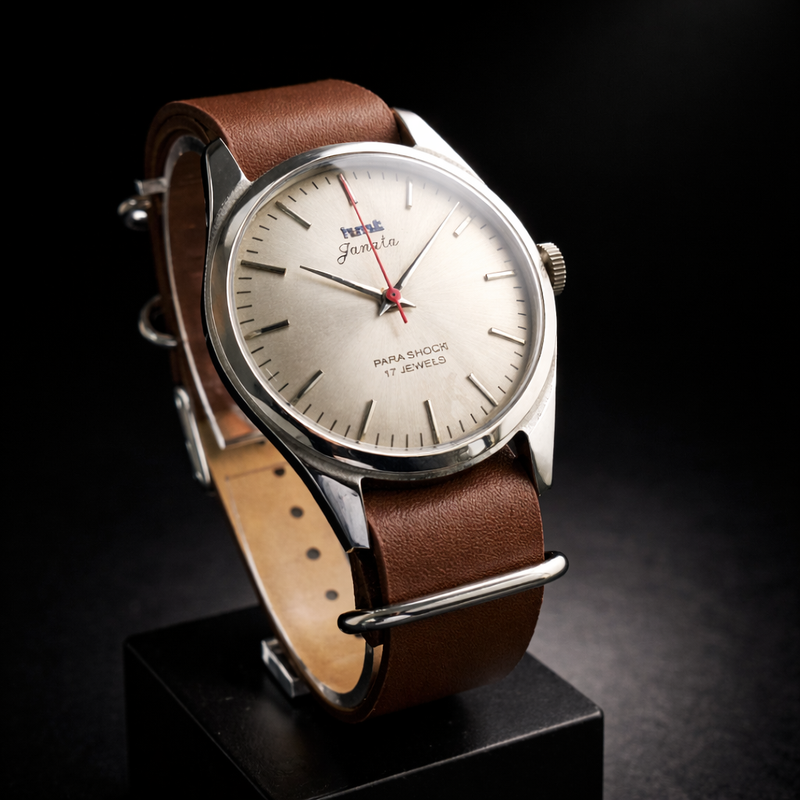
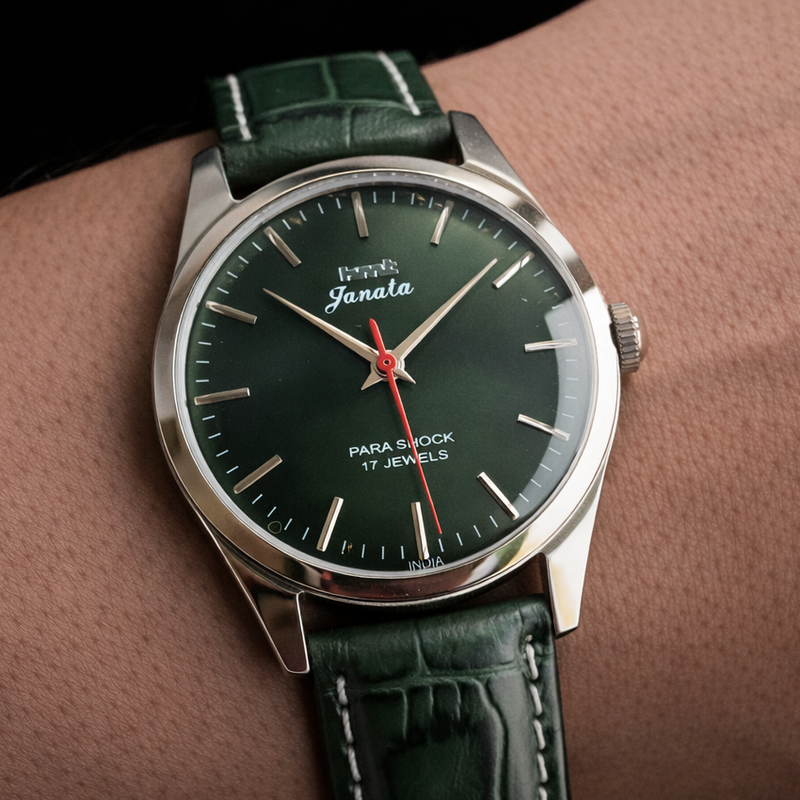
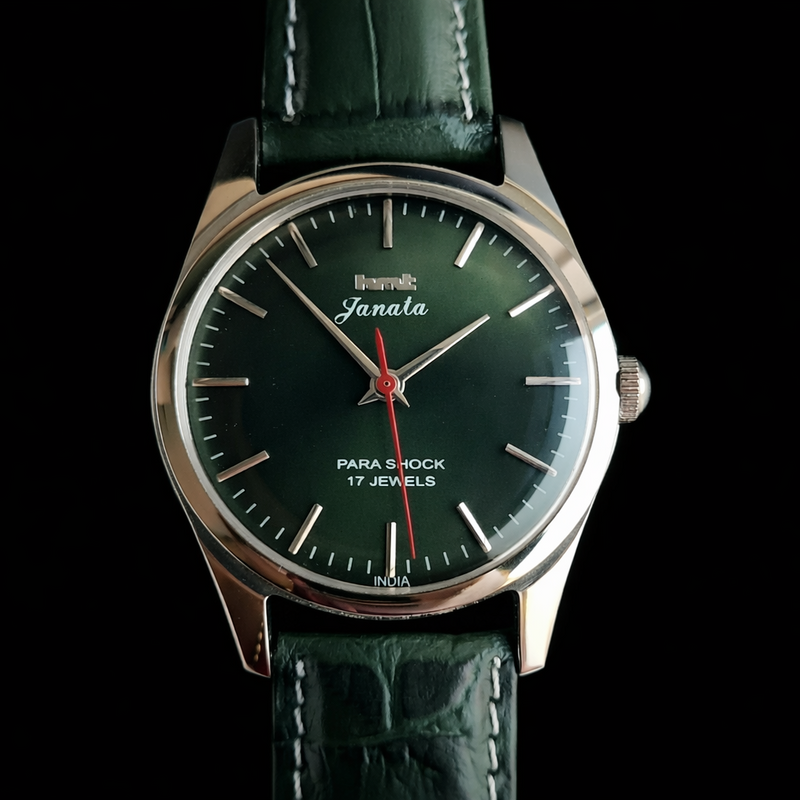
A Citizen automatic watch can appeal to people who enjoy traditional mechanical timekeeping without giving up the convenience of a self-winding movement. Regular wrist movement helps keep the mechanism running, while varied case and dial designs offer choices for work and leisure. However, an automatic watch also demands realistic expectations about accuracy, fit, power reserve, and maintenance. Its suitability depends less on the appeal of the mechanism alone than on how comfortably the watch fits into everyday routines.
What Makes a Citizen Automatic Appealing for Daily Use?
An automatic watch offers a direct connection between movement and timekeeping. Instead of relying on an electronic oscillator, its mechanical components regulate energy stored in a wound spring. Citizen offers automatic designs with different personalities, allowing buyers to prioritise simple dials, practical layouts or sport-inspired details according to their preferences.
For someone who wears the same watch most weekdays, self-winding operation can reduce the need for frequent manual winding. Meanwhile, a thoughtfully proportioned case can move comfortably between office clothing and casual outfits. The exact movement, dimensions, and construction deserve as much attention as appearance. People who prioritise effortless precision may prefer another movement technology.
How the Automatic Movement Keeps Time?
An automatic mechanical movement stores energy in a mainspring. As the spring releases that energy, a system of wheels, an escapement, and a balance regulates the motion of the hands.
Wrist Movement and Winding
A weighted rotor turns as the wearer's arm changes position. Through the winding mechanism, that rotation tightens the mainspring and replenishes stored energy. However, hours of quiet desk work may provide less winding than a more active day. Wearing an automatic watch does not guarantee that it will reach full power reserve.
Some Citizen movements also allow manual winding through the crown. Owners should check their particular movement instructions before attempting this, especially when adjusting a stopped watch.
Power Reserve and Mechanical Character
Power reserve describes how long a sufficiently wound watch can run without additional winding. The duration varies by movement, so buyers should read the specification for the exact reference. Some designs reveal movement parts through the dial or case back.
Automatic, Quartz and Eco-Drive: Different Strengths
Citizen's mechanical automatics, conventional quartz watches, and Eco-Drive watches serve different priorities rather than forming a simple ranking.
-
Automatic mechanical: Wrist movement helps wind a mainspring. It rewards an interest in mechanical craftsmanship but requires attention to stored power and timekeeping variation.
-
Conventional quartz: An electronic oscillator regulates timekeeping using electrical energy. Quartz generally offers greater accuracy with less routine attention to resetting.
-
Eco-Drive: Light generates electrical energy for quartz timekeeping. It does not use an automatic mechanical rotor simply because it avoids routine disposable-battery replacement.
For frequent wearers who appreciate moving mechanical parts, an automatic has particular appeal. In contrast, someone who changes watches rarely or needs precise timekeeping without regular adjustment may find quartz or Eco-Drive more convenient. Light-powered models still require appropriate exposure to light and sensible care.
Comfort Matters More Than the Dial Photograph
A watch may look attractive online yet feel awkward during an entire working day. Comfort therefore deserves attention before purchase.
How Size and Shape Affect Fit?
Case diameter gives a useful starting point, but lug-to-lug length shows how far the watch extends across the wrist. Thickness influences whether it slides beneath a shirt cuff, while case shape and the position of the crown can affect wrist movement. A relatively modest diameter can still feel large if the lugs extend excessively.
Weight matters as well. A substantial bracelet may feel reassuring initially but become distracting during long periods of typing.
Bracelets, Straps and Adjustment
-
Check whether the bracelet allows enough adjustment for a secure fit without pinching.
-
Consider how leather, metal, or other strap materials handle heat, perspiration, and everyday cleaning.
-
Assess whether the clasp, buckle and case edges interfere with desk work or regular movement.
Indian summers make ventilation and strap upkeep relevant. A watch should remain stable on the wrist without needing an excessively tight fit. Whenever possible, compare the published measurements with a watch that already feels comfortable.
Designs That Work Beyond a Single Occasion
Citizen automatic watches span different visual styles, but everyday versatility belongs to individual models rather than the brand as a whole. A restrained dial with clear indices and a balanced case can complement formal shirts, business meetings, and smart-casual clothing. Sport-inspired designs may suit commuting and weekends better, particularly when readability takes priority over decorative detail.
Consider dial contrast under ordinary indoor lighting. Hands that disappear against a busy background can make quick time checks frustrating.
Neutral colours and proportionate bracelets often make outfit matching easier. However, buyers should choose a style they genuinely enjoy wearing rather than assuming that one design must handle every social occasion.
Durability Depends on Specific Construction
A watch's everyday resilience depends on its case, crystal, seals, crown design, and the situations in which the wearer uses it.
-
Case and bracelet: Examine materials, finishing, and connection points for practical strength and comfort.
-
Crystal: Check the stated type and remember that scratch resistance does not mean immunity from scratches or impact.
-
Water resistance: Read the precise rating and use instructions. Appearance alone cannot establish suitability for swimming or other water activities.
-
Crown and seals: Follow instructions for fastening the crown and keep moisture away when operating it.
Repeated knocks, strong magnetic fields and extreme temperatures can affect mechanical watches. Moreover, seals age, so an original water-resistance rating should not become a permanent assurance. Someone who works around significant impact or vibration may need to consider a different watch for those activities.
Accuracy: Set Expectations Before Buying
Automatic mechanical movements normally show greater timekeeping variation than quartz movements. Their balance oscillates under mechanical control, and its behaviour can change with position, winding level, temperature and daily activity. Therefore, small gains or losses over time do not necessarily indicate a defect.
Read the manufacturer's accuracy statement for the exact movement, including the conditions under which it applies. A published figure may describe a test position or average measurement rather than identical performance on every wrist. Avoid comparing two Citizen automatics solely by appearance when their movement specifications differ.
Owners can compare their watches against a reliable time source over several days, using a consistent checking routine. Persistent or sudden changes, particularly after an impact, justify professional assessment. Precision-focused buyers should recognise this trade-off before committing to a mechanical movement.
Power Reserve and Your Wearing Schedule
A self-winding watch can stop after enough time off the wrist because its mainspring eventually releases its stored energy. Regular wearing may replenish power, although limited arm movement can leave the spring insufficiently wound.
For a weekday wearer, reserve duration matters when the watch rests through a weekend. Someone who rotates several watches may need to reset the time more often. Before selecting a model, compare its published reserve with the longest period you typically leave a watch unused.
If the watch stops, follow the relevant movement manual for winding and setting. Never assume that all crowns operate identically, especially on watches with calendar functions. A watch winder offers convenience for certain routines but is not essential for owning or caring for an automatic watch.
Maintenance Is Part of Mechanical Ownership
An automatic movement contains interacting mechanical components, so reasonable care helps preserve dependable operation. However, maintenance does not require constant attention or elaborate accessories.
-
Wipe the case with a soft cloth after exposure to perspiration or everyday grime.
-
Clean bracelets and straps according to their materials, avoiding unsuitable chemicals.
-
Protect the watch from unnecessary impacts, prolonged moisture, and strong magnetic sources.
-
Operate the crown gently and follow the movement's setting instructions.
-
Store the watch somewhere dry and secure when it is not on the wrist.
Mechanical servicing may eventually become necessary, but the appropriate timing depends on use, movement condition, and manufacturer recommendations. Likewise, water-resistance checks matter when exposure to moisture forms part of regular wear. A sudden change in accuracy, unusual winding resistance, or recurring stoppages warrants professional inspection rather than repeated forceful adjustment.
Long-term enjoyment also involves budgeting for possible maintenance. A purchase price alone never captures the complete cost of owning a mechanical wristwatch.
Selecting the Right Citizen Automatic Model
Identify the clothing, activities and environments that the watch must suit, then compare available references against those needs.
Priorities That Narrow the Choice
-
Office wear: Look for comfortable thickness, legible markers and a restrained appearance.
-
Active routines: Check case protection, strap security and the relevant water-resistance instructions.
-
Smaller wrists: Prioritise lug-to-lug fit, case shape and adjustable strap length, not diameter alone.
-
Mechanical interest: Compare the stated movement, reserve, winding functions and visible movement details.
-
Long-term value: Weigh comfort, service access and upkeep alongside the initial budget.
Dress-oriented watches may emphasise slimness and understated details, while sport-inspired pieces may offer stronger visual cues and practical displays. Inspect the exact reference rather than assigning qualities to a design category.
Purchasing Online in India: Checks That Protect Buyers
Indian shoppers should establish precisely what they are purchasing before comparing offers. Similar photographs can conceal different reference numbers, movements, case sizes, or warranty arrangements.
Typing ‘buy citizen automatic watch online in India’ into a search engine may yield several listings; verify each model reference against Citizen's published information and confirm that the movement is automatic mechanical. Compare case dimensions, crystal, water resistance, and power reserve using the exact specifications rather than assumptions about the collection.
Check seller authorisation where relevant, along with the warranty's issuer, geographic coverage and exclusions. Examine return windows, conditions for exchanges and who handles servicing if a problem occurs. Request a proper invoice and retain relevant warranty documentation.
Very low prices deserve scrutiny, but price alone cannot establish authenticity. Product photographs, model markings, documentation, and seller credentials should agree. Finally, remember that availability and pricing can change; verify the displayed terms immediately before placing an order.
When an Automatic Watch May Be Less Practical
A mechanical watch asks its owner to accept small inconveniences as part of its character. It may need resetting after several unworn days, and its accuracy generally cannot match that of a typical quartz watch. Servicing may also introduce costs that do not accompany every electronic alternative in the same way.
People with highly irregular wearing schedules might prefer the convenience of Eco-Drive or conventional quartz. Similarly, those who regularly expose their wrists to heavy impacts should assess suitability carefully rather than assuming a mechanical movement can tolerate every activity.
The right decision comes from matching expectations to daily life, not from treating mechanical complexity as automatic superiority.
What Long-Term Value Really Means?
Comfortable proportions encourage regular use, while a clear dial and suitable construction make routine time checks easier. Enjoyment of the movement may remain a benefit long after the initial excitement of purchase fades.
However, mechanical ownership carries responsibilities. Future servicing, sensible storage and realistic accuracy expectations affect satisfaction more directly than speculative resale claims. A watch should earn its place through dependable personal usefulness and a design that continues to appeal, rather than through any assumption of financial appreciation.
Conclusion
Citizen automatic watches can suit everyday wear when their mechanical character, design and comfort align with the owner's habits. A suitable case, readable dial and appropriate construction matter alongside movement specifications. Equally, buyers must accept that an automatic may stop after extended storage, vary in accuracy, and need professional maintenance. Compare the exact reference with daily activities, fit preferences, and long-term ownership costs. Choose mechanical timekeeping because its trade-offs feel worthwhile, not because it promises greater convenience in every situation.
FAQs
Are Citizen automatic watches suitable for everyday use?
Yes, an appropriately sized Citizen automatic can suit regular office, leisure and commuting routines. Comfort, readable hands, and suitable water resistance matter more than the automatic movement alone. Buyers should also accept mechanical accuracy variation and occasional maintenance. The right model depends on personal activity and wearing habits.
Will wearing my automatic watch daily keep it running?
Daily wrist movement helps the rotor replenish energy in the mainspring, but results depend on how much your arm moves. Long periods at a desk may provide insufficient winding. Check the exact movement instructions for manual winding options and follow its recommendations when the watch repeatedly stops.
What happens when I leave the watch unworn?
The movement continues using energy stored in its mainspring until the power reserve runs out. Afterwards, the hands stop, and the watch needs appropriate winding and resetting. Reserve duration varies between movements, so check the model specification. Stopping after extended storage does not itself indicate a fault.
Is a Citizen automatic more accurate than quartz?
Generally, no. Quartz timekeeping usually offers better absolute precision than an automatic mechanical movement. Mechanical accuracy changes with position, winding, and operating conditions. Consult the relevant movement specification rather than expecting identical results across Citizen's automatic range. Regular checks can help identify changes that deserve professional attention.
Does a Citizen automatic watch need a battery?
A conventional Citizen automatic mechanical movement draws its operating energy from a wound mainspring, not an ordinary watch battery. The rotor helps replenish that energy as the wrist moves. However, Citizen also produces different movement technologies, so check the reference description rather than assuming every battery-free watch operates mechanically.
Can I wear a Citizen automatic watch in water?
That depends entirely on the particular watch's water-resistance rating, condition, and operating instructions. Some designs tolerate more water exposure than others. Never assume that a sport-inspired appearance makes a watch suitable for swimming or diving. Avoid operating the crown around water and consider seal condition over time.
How often should an automatic watch receive maintenance?
Maintenance needs depend on movement condition, wearing patterns, and manufacturer recommendations. Routine cleaning and careful crown handling support regular ownership, while professional service addresses internal mechanical needs. Seek inspection if accuracy changes sharply, moisture enters the case, or winding feels abnormal. Avoid relying on a universal servicing interval.
What size Citizen automatic should I choose?
Start with wrist comfort rather than a single diameter measurement. Compare lug-to-lug distance, case thickness, weight, and strap adjustment with a watch that fits well. A smaller dial can still sit awkwardly if the case extends beyond your wrist. Evaluate comfort while typing, walking, and wearing sleeves.
How does Citizen automatic differ from Eco-Drive?
An automatic movement uses a mainspring that wrist movement helps wind. Eco-Drive uses light to generate electrical energy for quartz timekeeping. Consequently, Eco-Drive generally offers greater accuracy without requiring winding, whereas an automatic offers mechanical engagement. Their power sources and wearing requirements differ substantially.
What should Indian shoppers verify before ordering online?
Confirm the exact reference, movement type, dimensions, water resistance, and stated power reserve. Examine seller credentials, purchase documentation, warranty terms, and return conditions. Compare the listing with official model information, and check available servicing arrangements. Current pricing and availability require verification before payment rather than reliance on older listings.