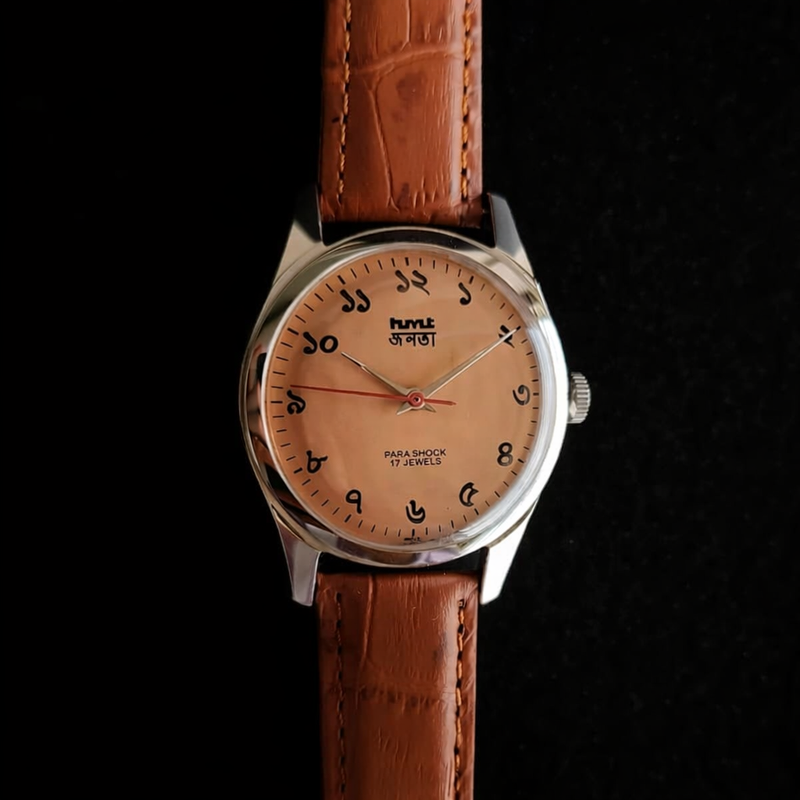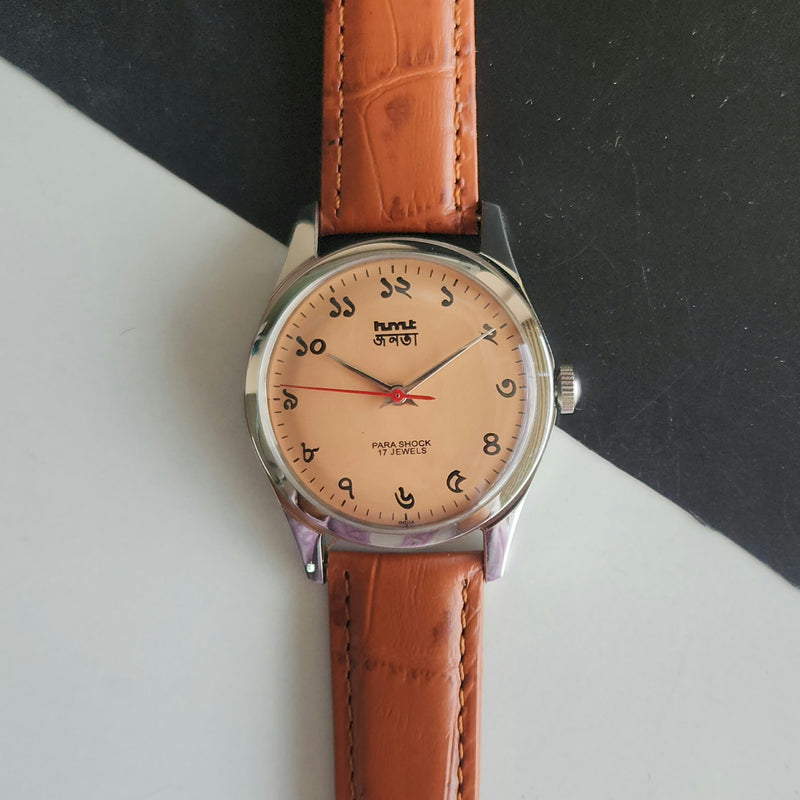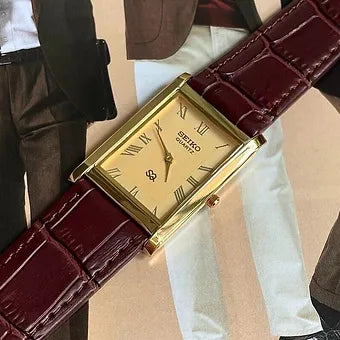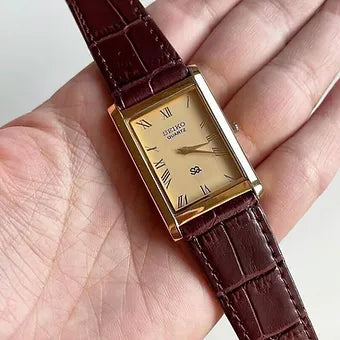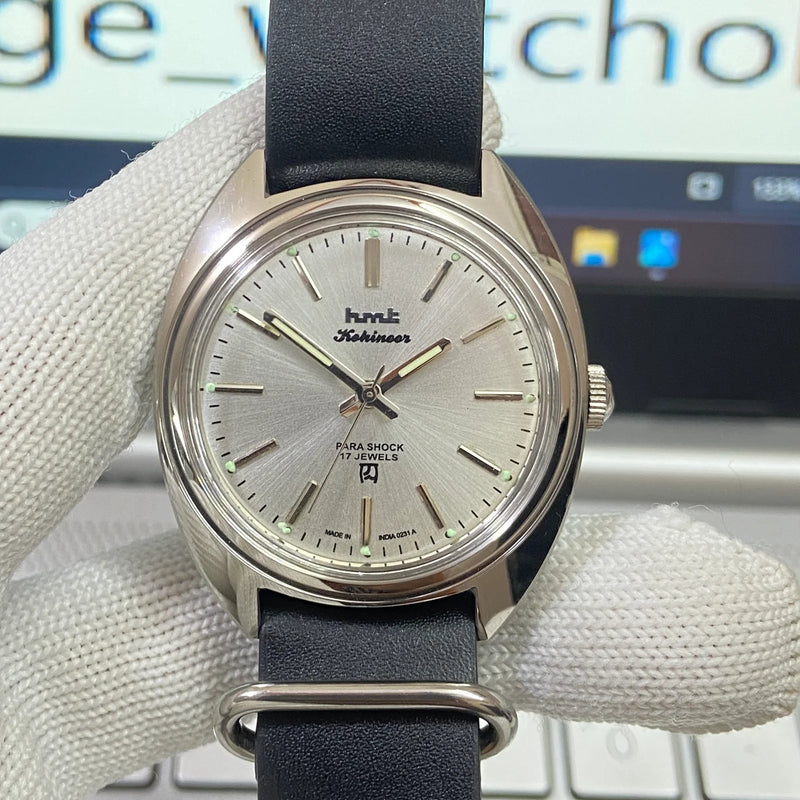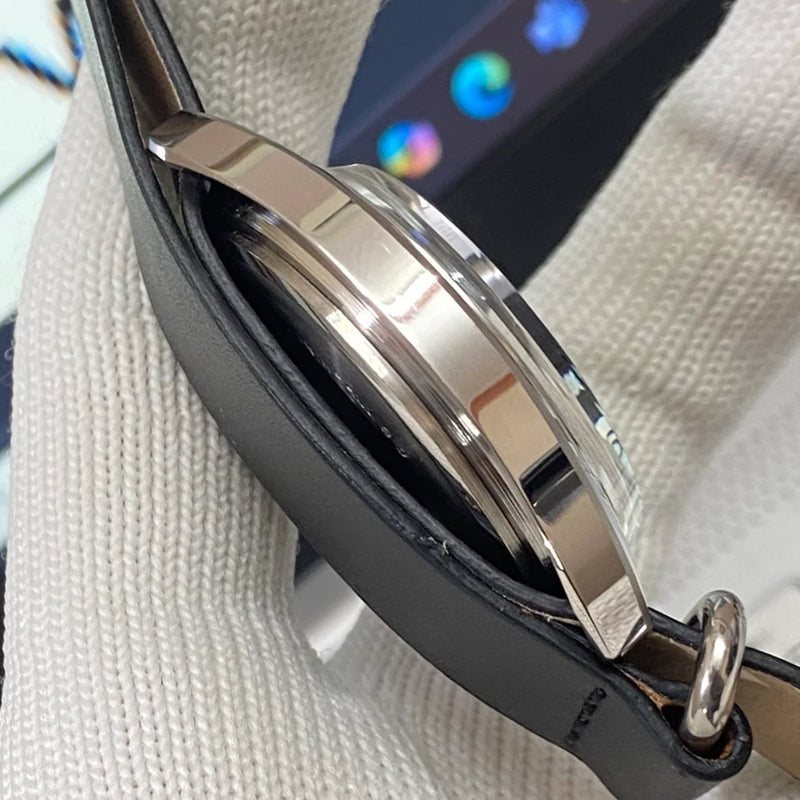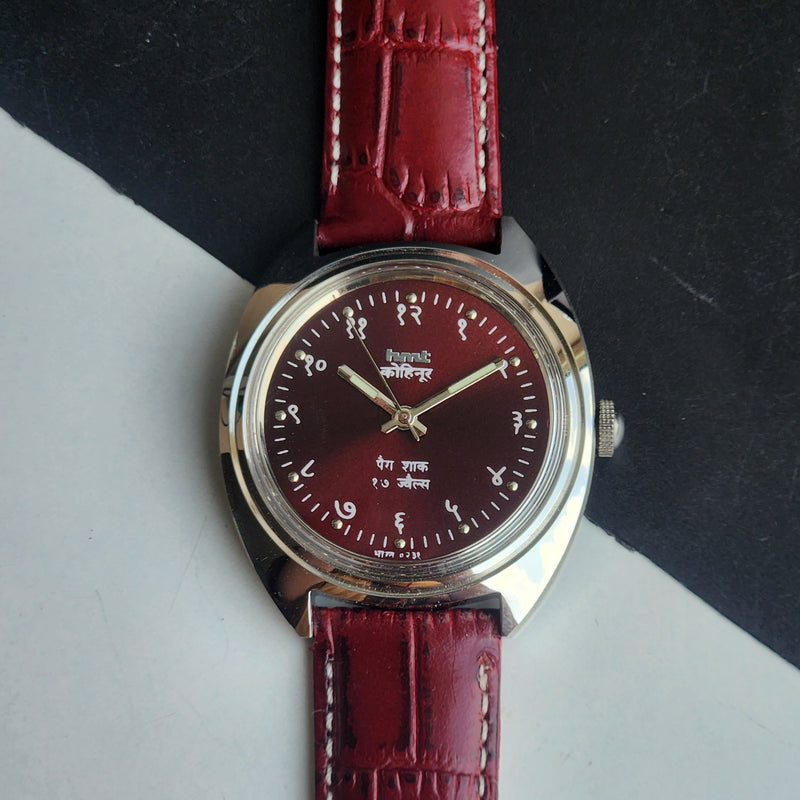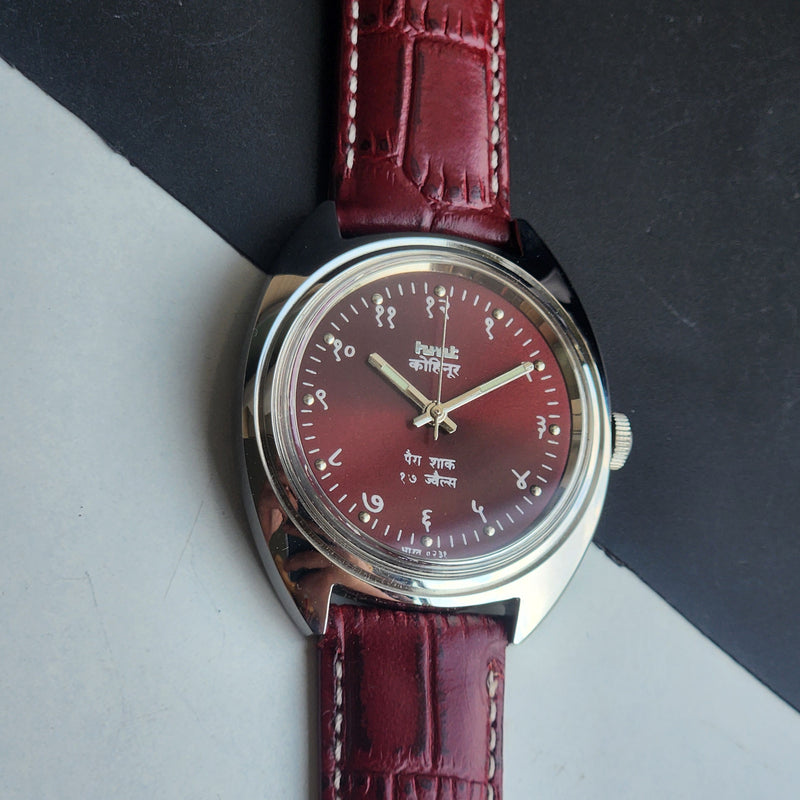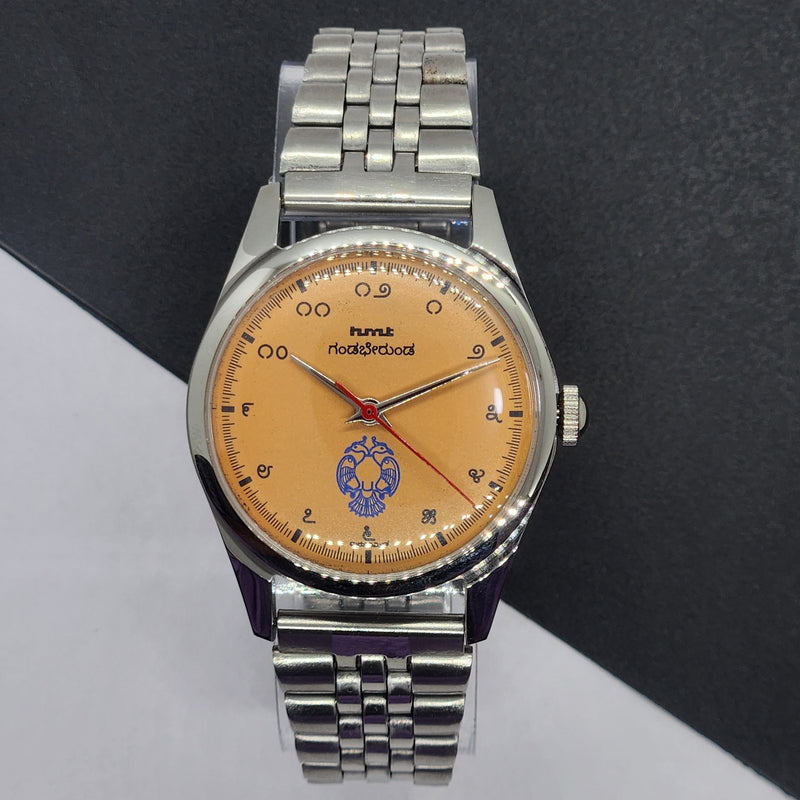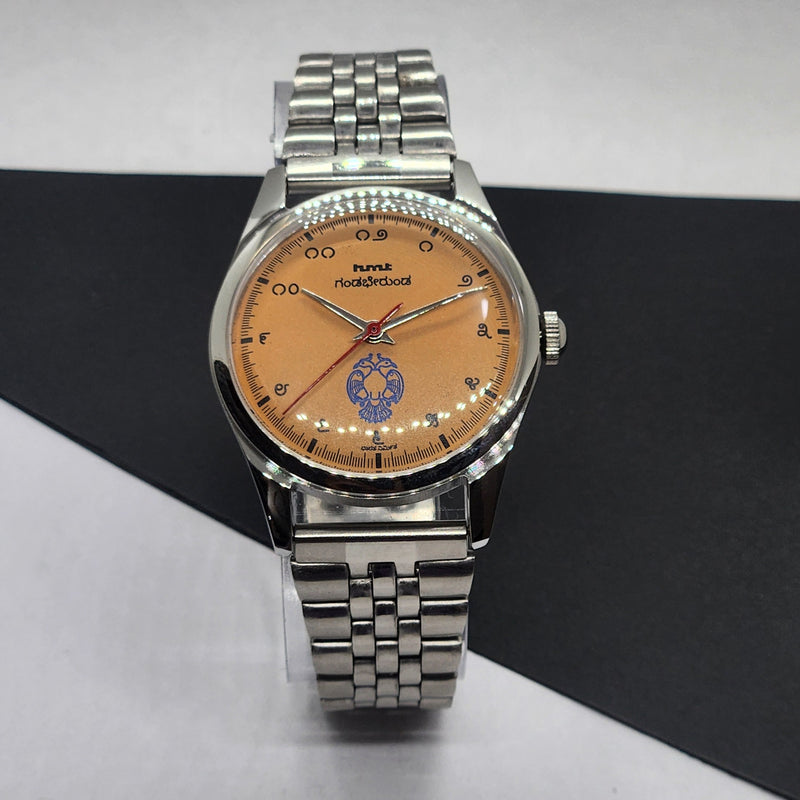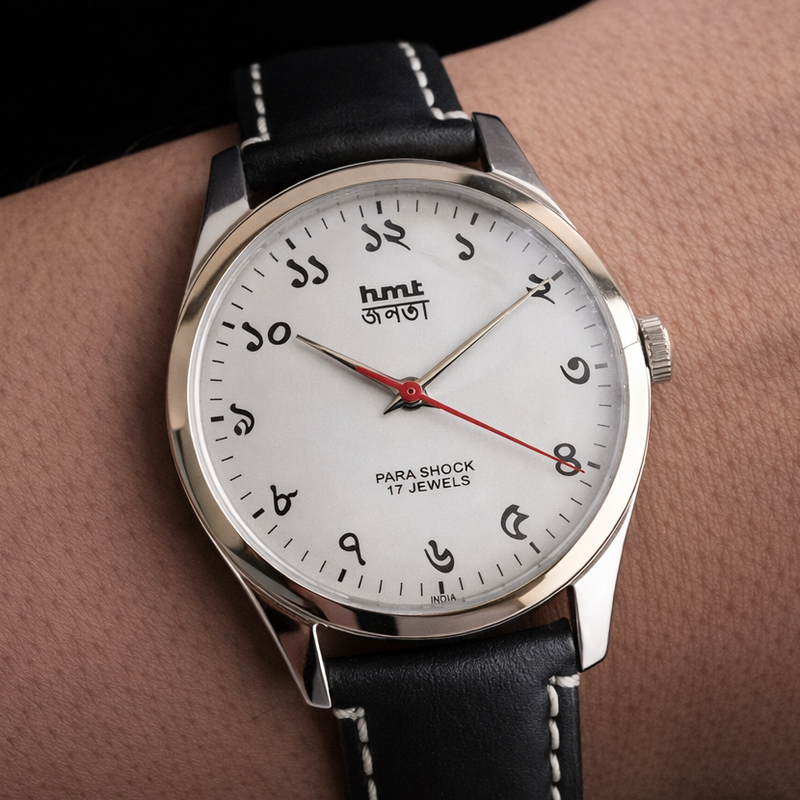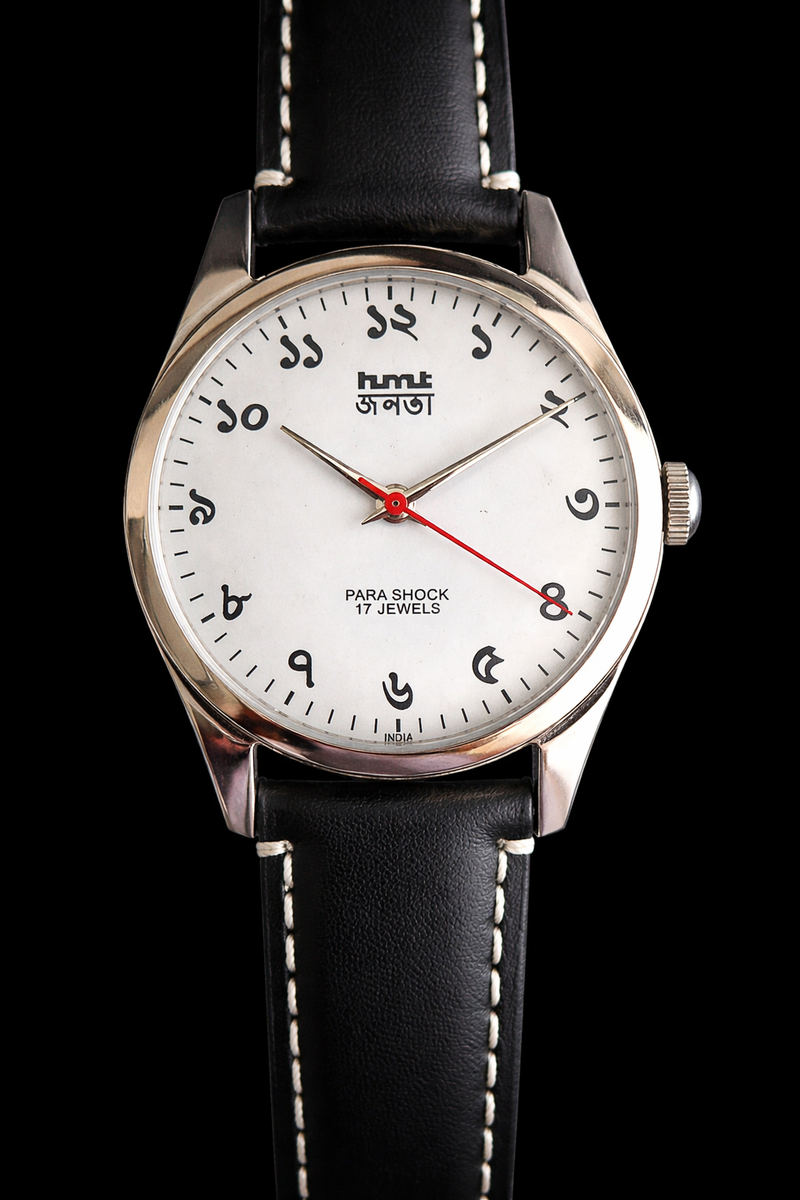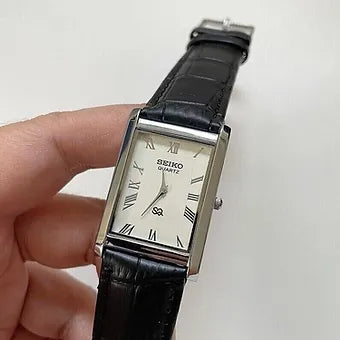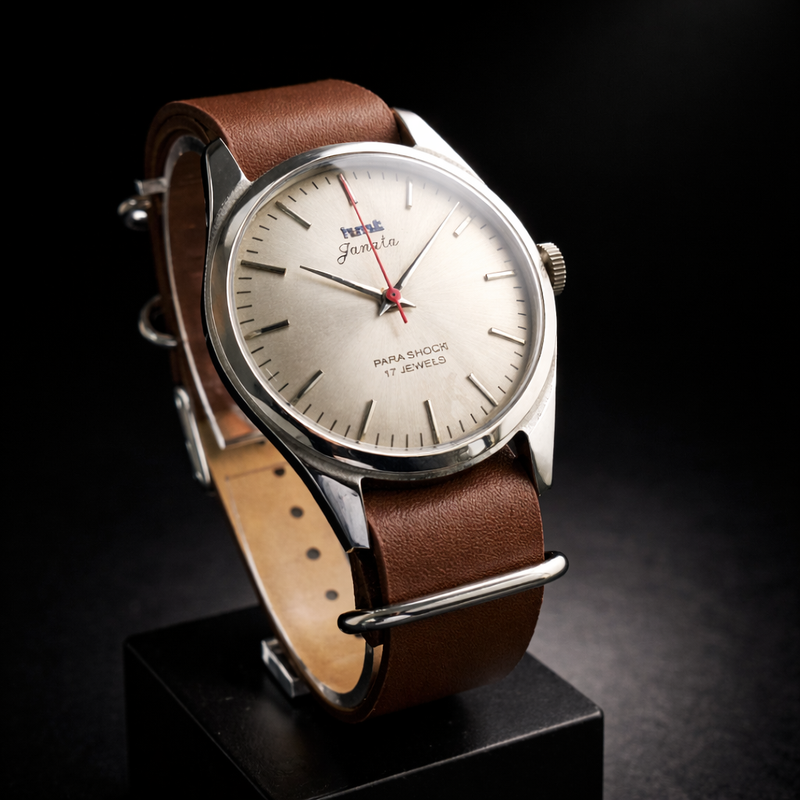
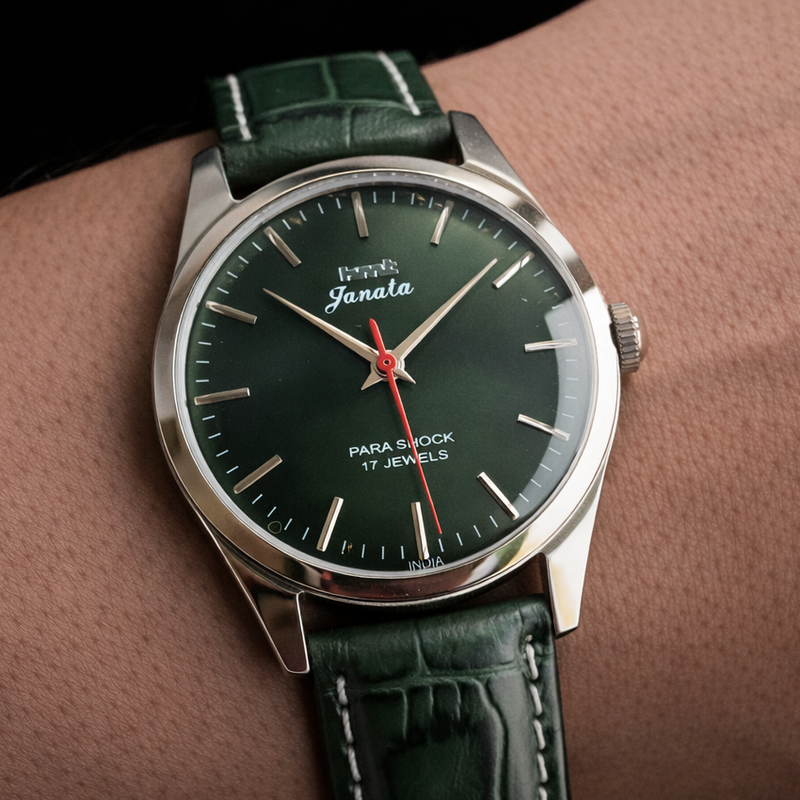
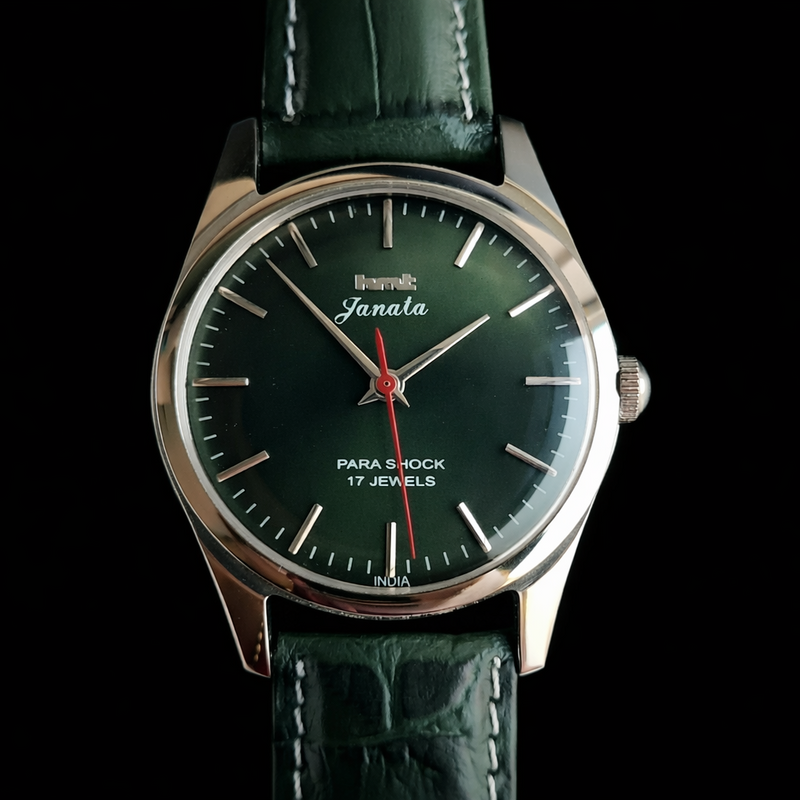
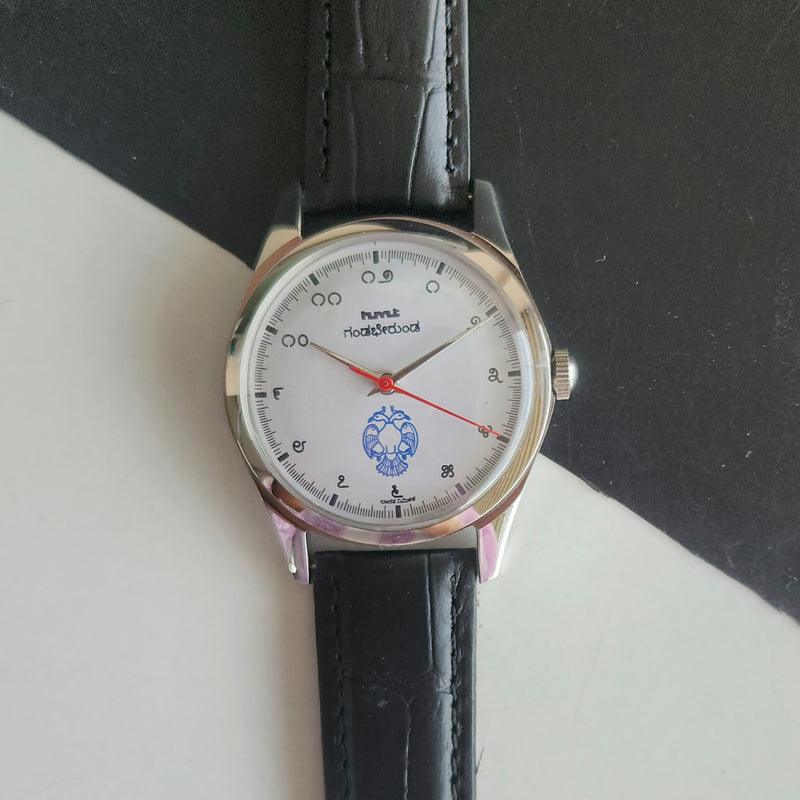
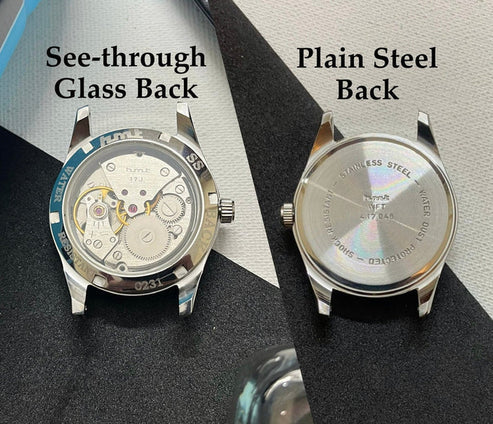
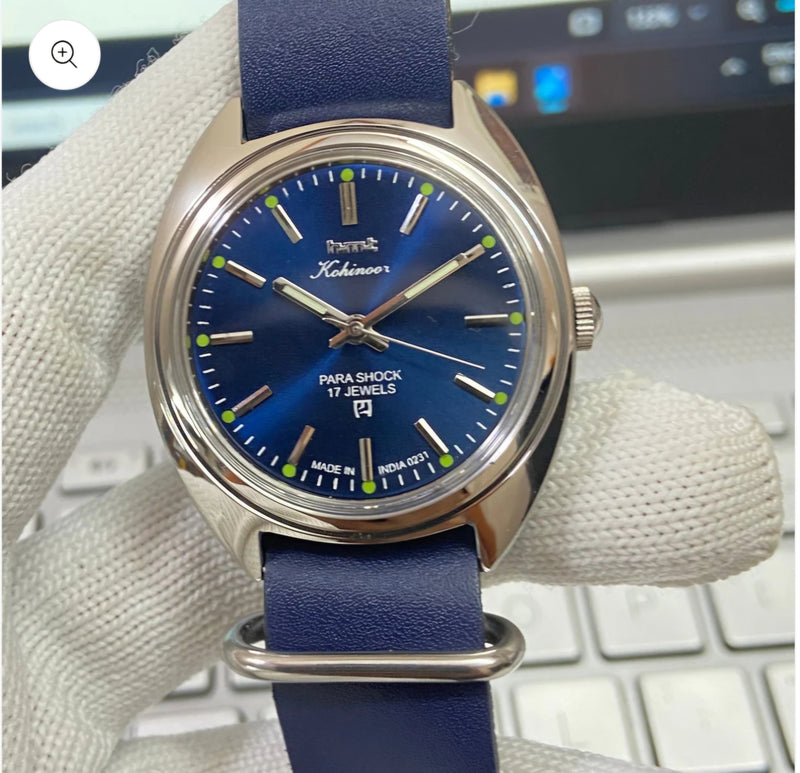
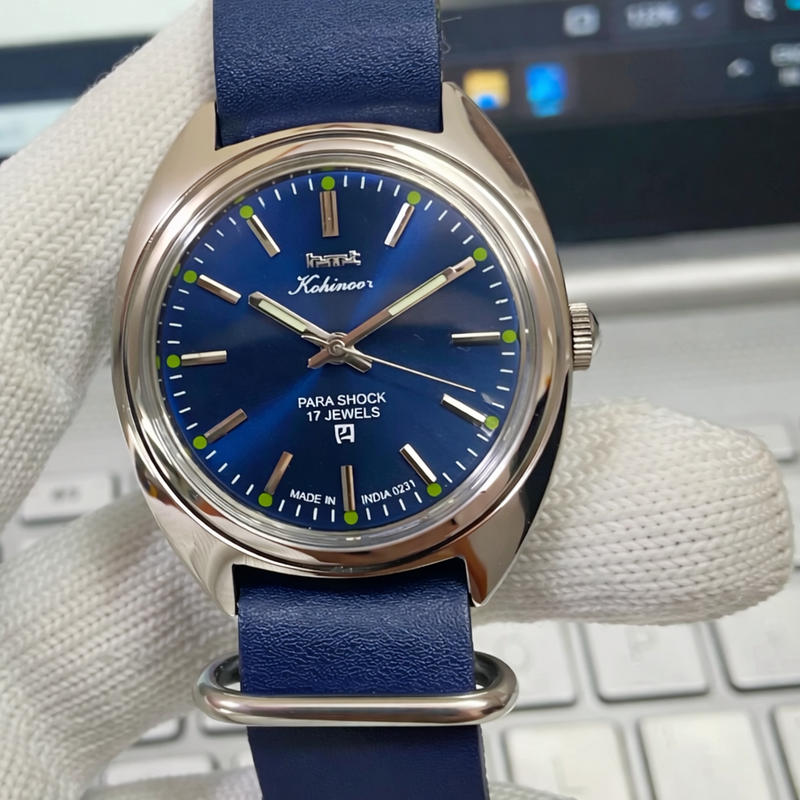
The HMT Kohinoor appeals to formal dressers who prefer a watch with character rather than an oversized statement accessory. Certain versions combine clean dial arrangements, restrained details and proportions that sit comfortably beside tailored clothing. Yet the Kohinoor name covers different generations and movement types, so appearance and practicality vary between examples. A suitable choice depends on the case, dial, strap and condition of the specific watch, as well as the occasions when its owner intends to wear it.
Why the Kohinoor Can Work With Formal Clothing?
Formal dressing usually benefits from accessories that support the outfit without competing for attention. A Kohinoor with a relatively simple dial and balanced case can serve that purpose. Its analogue appearance suits crisp shirts and tailored jackets.
Some versions feature brighter dials, different case proportions or prominent day-date displays. Those differences can change the impression considerably. For a conservative workplace, a legible dial in a subdued colour often makes more sense than a conspicuous finish. Brighter versions may suit celebrations.
Dial Details and Wrist Proportions
Dial treatment determines how readily the watch attracts attention, while case dimensions influence its relationship with a shirt cuff. Both deserve consideration before choosing a formal accessory.
Dial Layout and Visual Balance
A clear arrangement of hands and hour markers helps a watch look orderly. Thin or modestly proportioned markers may appear quieter than bold, highly decorative alternatives, although the effect depends on the complete design. Likewise, a restrained dial finish can coordinate more easily with conservative tailoring than a strongly reflective surface.
Consider the day or date display where a particular model includes one. It adds useful information but also changes the dial's symmetry. The deciding factor is whether the watch feels visually balanced beside the clothing and other accessories.
Another useful check involves how the watch looks from a conversational distance. Close-up product photographs can make small indices, polished edges and dial textures seem more dramatic than they appear when worn. Assess the complete outfit instead of judging the watch in isolation.
Case Shape, Thickness and Shirt Cuffs
Case diameter tells only part of the sizing story. Lug-to-lug length describes the distance across the watch from one strap attachment end to the other; that measurement affects how far the case reaches across a wrist. Thickness matters because a bulky watch may catch beneath a fitted shirt cuff.
A smaller vintage example may sit discreetly, whereas a larger contemporary automatic version may make a more noticeable impression. Compare actual measurements for the model rather than assuming every Kohinoor shares the same proportions. Keep the strap comfortably secure.
Choosing Dial Colours for Suits and Shirts
A white or pale dial can create a clean contrast against navy and charcoal suits. Darker blue, grey or black tones may blend into understated business clothing, especially when the case and strap have restrained finishes.
Consider these useful combinations:
-
Black or charcoal suit: A light dial offers contrast; a dark dial gives a quieter result.
-
Navy suit: White, grey or blue dials can work, depending on the shirt and tie.
-
Light formal shirt: Muted colours prevent the watch from becoming the outfit's dominant feature.
-
Evening celebration: A richer dial colour may suit festive fabrics and warmer lighting.
Some Kohinoor variations feature lively colours and sunray effects. These may look attractive with semi-formal clothing but less appropriate under a strict corporate dress code. Check photographs in natural light for accurate colour.
Leather Straps Versus Metal Bracelets
A strap affects the overall appearance almost as much as the dial. Kohinoor examples may arrive with different bracelets or straps, and older watches sometimes carry replacements. Assess the complete combination.
When Leather Makes Sense
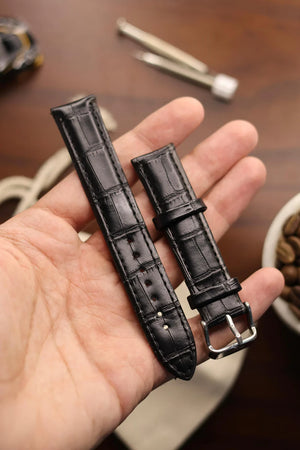
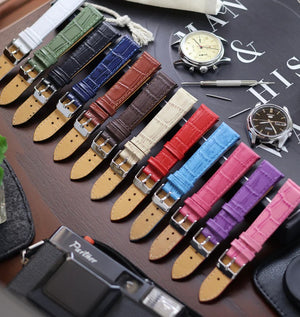
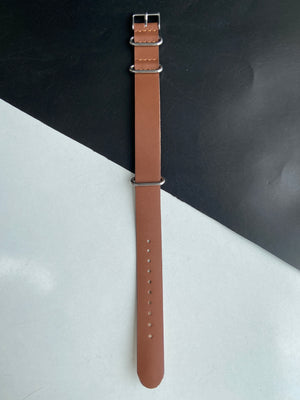
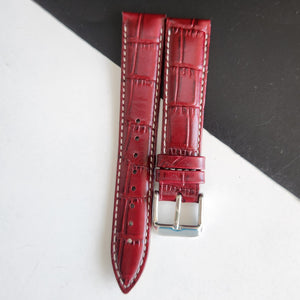
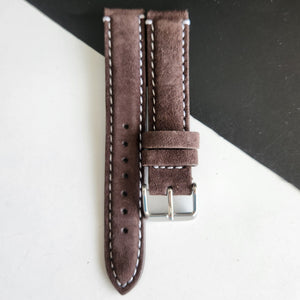
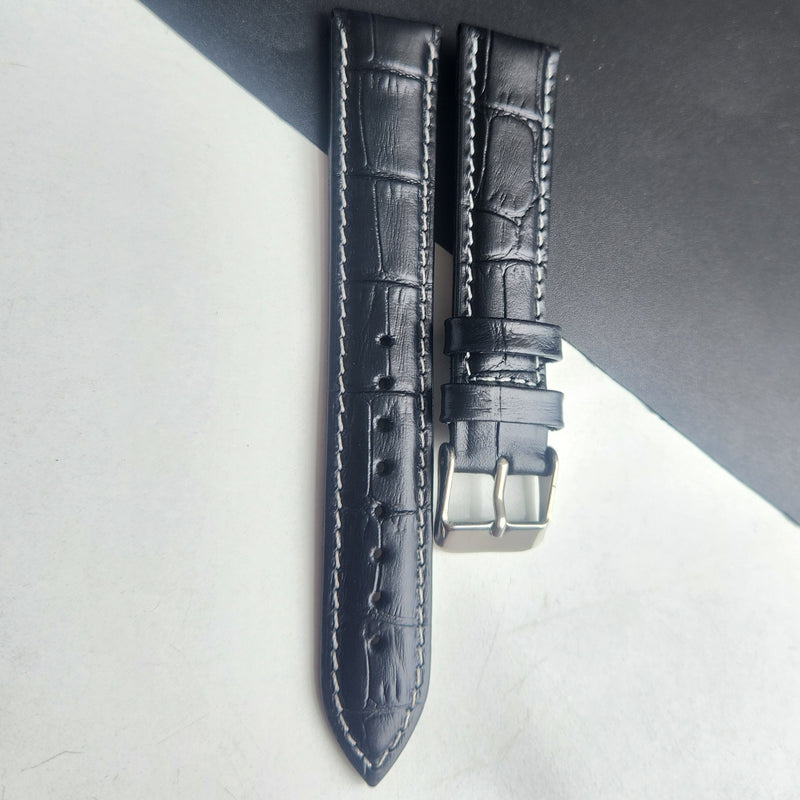
A plain leather strap can give a Kohinoor a more conventional dress-watch character. Black often complements dark formal shoes and belts, while brown can look harmonious with earthy colours, navy tailoring and certain Indian ceremonial outfits. Avoid distracting stitching and elaborate textures.
Leather requires care around moisture and perspiration. Check the strap's condition, attachment width and flexibility before relying on it for frequent office wear.
When a Metal Bracelet Works Better
A metal bracelet can bridge formal and smart-casual wardrobes, particularly when its finish matches the case. However, bracelet thickness, loose links and shiny surfaces influence whether the result feels discreet.
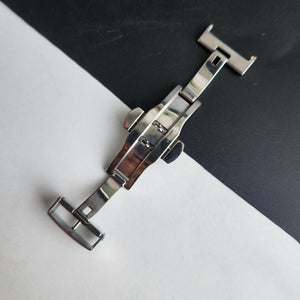
Proper sizing matters: an excessively loose bracelet allows the watch to slide around, while an overly tight one creates discomfort. Replacing an original bracelet may improve fit, but buyers interested in vintage originality should retain and document original components.
Professional Settings and Business Etiquette
For regular office wear, a restrained Kohinoor can complement a buttoned shirt without drawing unnecessary attention during professional conversations.
Interviews and client meetings call for slightly different judgement. In conservative professions, a clean dial and subdued strap often communicate more restraint than a bright colour or highly polished bracelet. Creative workplaces permit more expression.
At formal dinners or corporate gatherings, consider the entire outfit. A watch need not match every metal accessory exactly, but clashing finishes and crowded jewellery can undermine visual coherence. Above all, a clean, correctly fitted watch makes a better impression than an elaborate one that constantly needs adjustment.
Pairing the Kohinoor With Indian Formal Attire
The Kohinoor can complement Indian occasion wear without requiring an exclusively Western dress code. A watch with a pale dial and simple leather strap may sit neatly beside a bandhgala or a tailored Nehru jacket. With a formal kurta, the sleeve's width and fabric determine whether the watch remains visible and comfortable.
Wedding outfits permit more experimentation. A coloured dial can echo a subtle shade in a stole, waistcoat or pocket square. However, heavily embroidered clothing and prominent jewellery may already provide sufficient detail. In that situation, a quieter watch can preserve balance.
For ceremonies, consider how bracelets interact with cuffs and delicate fabrics. Metal edges or poorly fitted clasps may catch on embroidery. A secure, smooth strap may offer a more practical alternative. Balance watch size with garment construction.
Heritage and Different Movement Types
HMT has a substantial place in India's watchmaking history, and the Kohinoor name can appeal to buyers who appreciate that connection. Heritage does not establish a pre-owned watch's originality or reliability. Its movement deserves separate attention.
Hand-Wound Mechanical Watches
Many older Kohinoor examples use hand-wound mechanical movements. Turning the crown supplies energy. This routine can appeal to someone who enjoys traditional watchmaking, but it demands attention when the watch sits unused.
Mechanical watches also require appropriate servicing as their condition warrants. A vintage movement may run differently after years of wear, restoration or incomplete maintenance. Ask about recent service work and check timekeeping rather than assuming an appealing dial indicates a healthy mechanism.
Automatic Kohinoor Variations
Automatic movements use a moving rotor to wind the mainspring as the wearer moves. They still rely on mechanical components and may stop after sufficient time off the wrist. Some contemporary Kohinoor automatic models have different case dimensions and day-date layouts from older hand-wound pieces.
For formal wear, assess the automatic version's thickness and cuff clearance carefully. Occasional wear may require resetting the time and calendar.
Quartz Kohinoor Variations
Quartz models use a battery-powered electronic movement and generally offer convenient timekeeping with less routine attention. They suit professionals who want to pick up a watch and wear it without winding a mainspring. Battery changes remain necessary, and owners should follow appropriate maintenance advice.
Movement type does not determine formal suitability on its own. A quartz watch with a restrained dial may appear dressier than a large mechanical alternative. Choose the mechanism according to wearing habits, practical preferences and the particular model's appearance.
How to Select the Right Kohinoor?
An occasional wedding accessory calls for different compromises from a daily office watch. Consider fit and practicality before focusing on dial colour alone.
-
Wrist fit: Check diameter, lug-to-lug length, thickness and how the strap sits.
-
Dress code: Match dial intensity and case finish to the formality of the setting.
-
Movement: Decide whether regular winding, automatic operation or quartz convenience suits your routine.
-
Condition: Inspect the crystal, crown, case, dial and movement, especially on pre-owned examples.
-
Budget: Allow for necessary strap replacement, assessment or maintenance rather than comparing purchase prices alone.
Compare the watch with your usual shirt cuffs. Photographs without wrist context can distort its apparent size. Remember that a visually attractive watch may still be inconvenient if its crown feels awkward or its bracelet fits poorly.
Authenticity and Online Buying Precautions
A clear product listing should identify the actual watch, not merely rely on the Kohinoor name. People who plan to buy hmt kohinoor online in India should pay particular attention to the movement, component originality and seller's description before paying.
Distinguishing Original, Restored and Modified Pieces
A genuine contemporary model, an original vintage example and an older watch restored with replacement components are not identical buying propositions. Restoration may improve appearance or functionality, but replacement dials, hands, crowns and case backs affect originality. An authentic movement may accompany aftermarket exterior parts.
Such modifications do not automatically make the whole watch counterfeit. Nevertheless, a listing should disclose them plainly. Buyers seeking historical authenticity may value original components, while others may prefer a restored watch for practical wear. Neither preference removes the need for accurate information.
Checks Before Making a Purchase
-
Request clear photographs of the dial, case back, sides, crown and strap attachments.
-
Confirm the exact movement category and model-specific dimensions.
-
Ask which parts are original, replaced, refinished or restored.
-
For vintage examples, request service information and a realistic account of timekeeping.
-
Review the seller's identity, payment safeguards, return conditions and applicable warranty terms.
-
Compare the description with reliable product details, and question contradictory photographs or claims.
Documentation helps, but a box or generic receipt alone does not establish originality. If the seller cannot explain significant discrepancies, consider another listing rather than treating uncertainty as a minor detail.
Care, Versatility and Important Trade-offs
A restrained Kohinoor also suits chinos or knitwear. A metal bracelet may make this transition easier for some wardrobes, while a subdued leather strap can keep the watch closer to traditional dress styling. Bright finishes or larger cases may offer less flexibility in conservative settings.
Basic care protects the watch's appearance and function:
-
Wipe the case gently after wear and clean each strap according to its material.
-
Avoid unnecessary moisture, impacts and exposure to strong magnetic fields.
-
Store the watch securely when it will remain unused for extended periods.
-
Check model-specific water-resistance instructions rather than assuming all examples tolerate splashes.
-
Seek qualified attention for unusual timekeeping, crown resistance or visible moisture.
Vintage ownership involves particular trade-offs. Previous repairs may affect reliability, parts availability and future servicing. A mechanical watch also demands a different routine from a quartz model. Conversely, someone who appreciates traditional movements may welcome that involvement.
Not every Kohinoor will suit a narrow shirt cuff, a very large wrist or strict requirements for water resistance and technical performance. Formal appearance remains only one part of the decision. Comfort, condition, movement convenience and clear product information deserve equal weight.
Conclusion
The HMT Kohinoor can be an appealing formal accessory when its dial, case and strap complement the clothing rather than overwhelm it. Its links with Indian watchmaking add interest, while different movement options suit different wearing habits. Yet the collection includes varied designs and conditions, particularly among older examples. Compare actual dimensions, inspect originality and consider maintenance before selecting one. The most suitable Kohinoor is the version that looks appropriate, feels comfortable and meets the owner's practical expectations.
FAQs
Is an HMT Kohinoor suitable for daily formal office wear?
Yes, some variations suit daily office clothing particularly well. Look for a restrained dial, secure strap and case that slides beneath a shirt cuff. Movement choice also matters: quartz offers convenience, whereas a mechanical version requires more attention. Check condition and service needs before making it a daily watch.
Which Kohinoor dial colour works with a navy business suit?
White, grey and subdued blue dials can each complement navy tailoring. A pale face creates clearer contrast; a darker one looks more discreet. Consider the shirt, tie and lighting before deciding. Strongly reflective or vivid finishes may feel less formal in conservative offices, even when the colours technically coordinate.
Can the Kohinoor complement a bandhgala or Nehru jacket?
Yes, a suitably sized Kohinoor can look appropriate with either garment. A restrained dial and neat strap often complement structured fabrics without creating visual clutter. Check whether the sleeve allows enough room for the case. For embroidered or ornate outfits, consider a quieter watch to balance the overall appearance.
Does case diameter determine whether a Kohinoor looks formal?
No. Diameter matters, but thickness, lug-to-lug length, dial proportions and strap fit also influence appearance. A watch may measure modestly across yet feel bulky beneath a fitted cuff. Compare the specific model's dimensions with your wrist and clothing instead of relying on a single measurement or product photograph.
Is a leather strap dressier than a metal bracelet?
Leather often creates a more traditional formal appearance, especially with simple stitching and subdued colours. A well-fitted metal bracelet can also complement suits, particularly when its finish remains restrained. Choose according to the outfit, comfort and upkeep. For vintage pieces, consider how replacing an original bracelet affects originality.
Are all HMT Kohinoor watches mechanical?
No. The name covers older hand-wound mechanical watches as well as quartz and automatic variations. These mechanisms differ in operation, convenience and maintenance requirements. Verify the exact model before purchasing rather than relying on the collection name. A movement's category does not, by itself, determine how formal the watch looks.
Can someone wear a Kohinoor to an Indian wedding?
Yes, depending on the outfit and watch design. Restrained models can complement a bandhgala or tailored kurta, while coloured dials may suit festive combinations. Check that bracelets and clasps will not snag decorative fabric. Where jewellery or embroidery dominates, a simpler dial often creates a better overall balance.
Which movement suits someone who wears formal watches occasionally?
Quartz often suits occasional wear because it requires no routine winding, although the battery eventually needs replacement. Hand-wound and automatic versions appeal to people who enjoy mechanical watches, but they may need resetting after periods of inactivity. Factor in servicing, convenience, and the specific watch's condition before choosing.
How can a buyer check a pre-owned Kohinoor's authenticity?
Ask for detailed photographs, movement information, component disclosures, and any available service records. Establish whether the watch retains original parts or includes replacements. Restoration alone does not prove counterfeiting, but vague descriptions warrant caution. Review the seller's credibility and return conditions, and seek specialist assessment when substantial uncertainty remains.
How should owners store a Kohinoor between formal occasions?
Keep it in a clean, dry, secure location away from impacts and strong magnetic sources. Clean the case gently and care for leather or metal straps appropriately. Follow the specific model's instructions concerning moisture and operation. If a vintage watch behaves unusually, obtain a competent assessment before further use.